
Scriptera: Making responsibility visible in healthcare data systems


(01)Project overview
Where data existed, but responsibility did not.
Scriptera is a regulated pharmaceutical analytics platform designed to help pharmacies and industry partners interpret complex market data with clarity and accountability. Before Scriptera, insight lived across spreadsheets, exported reports and disconnected tools. Interpretation varied by role. Authority was implied rather than enforced. In regulated environments, that gap creates real operational and compliance risk.
This engagement focused on designing a greenfield platform where data access, permissions and accountability were structurally aligned. The result was a system where insight could be acted on with confidence, without ambiguity and without compromising trust.
Project details
- Client
- Scriptera, Inc.
- Headquarters
- Los Angeles, California
- Agency
- Saritasa, LLC
- Industry
- MedTech
- Engagement
- Product design, Platform design
- Role
- Creative direction, Design leadership, Product strategy, UX design lead
Key outcomes
- 75+Role-specific screens and system states
- ~17%Under budget at delivery
- Q4 2021Greenfield platform launch
(02)The context
A system built on implied authority.
Pharmaceutical organizations do not lack information. They lack systems that align insight with responsibility. Scriptera works with de-identified, market-level data to enable pattern recognition and compliance analysis without exposing patient information. Anonymization alone, however, does not remove risk. Interpretation still carries consequences when ownership is unclear.
As a zero-cost partnership platform, Scriptera earns trust structurally. Pharmacies retain control of their data, while value flows back to the organizations generating it. That required a system designed for judgment over speed.
What I did
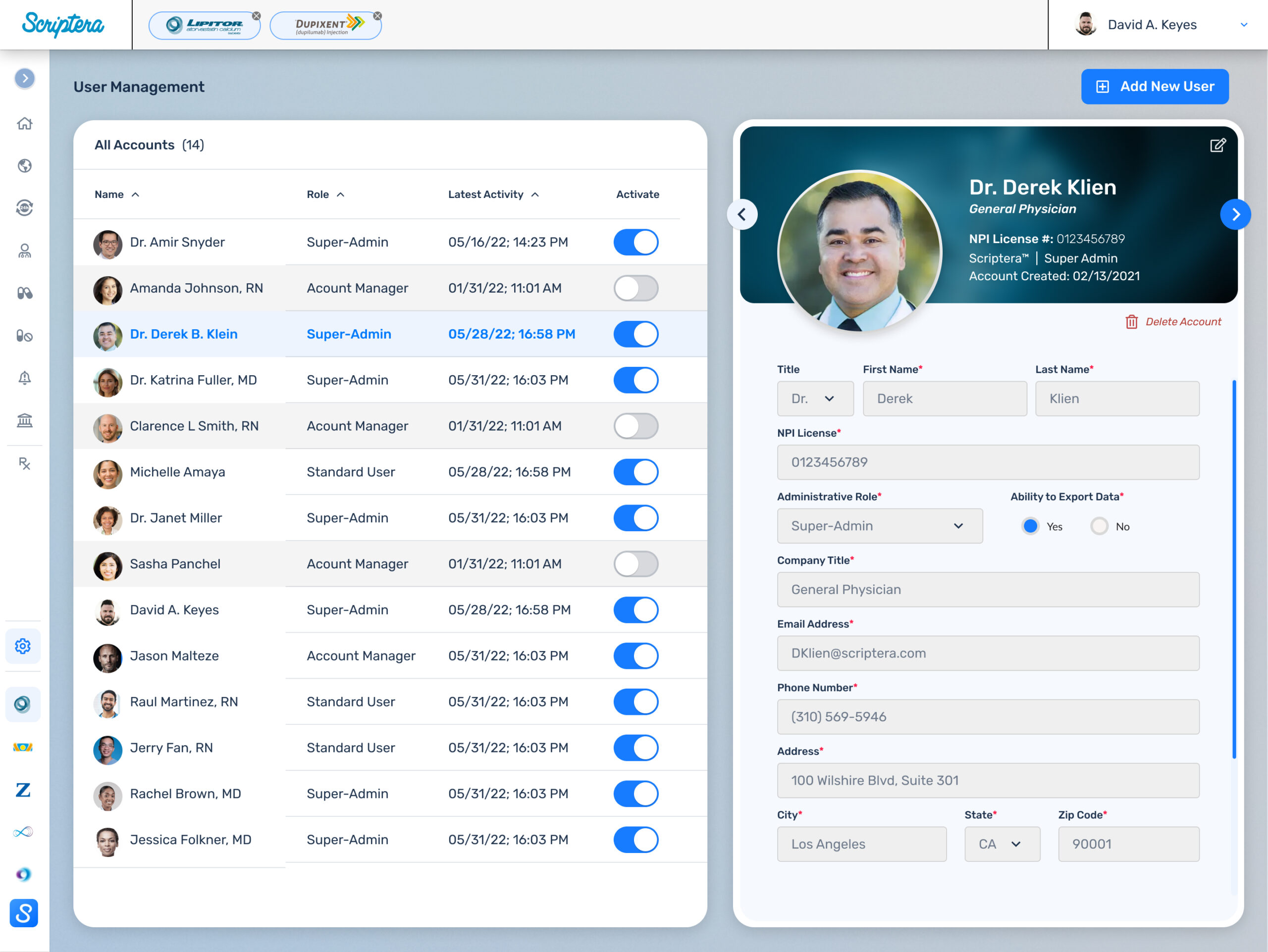
- Assessed fragmented workflows across pharmacies, vendors and compliance stakeholders
- Defined core risks created by misaligned data access and responsibility
- Established system-level requirements for trust, governance and scale in a regulated environment

(03)The challenge
Correcting false confidence at scale.
The problem was not complexity. It was false confidence.
Systems that surface insight without clear ownership encourage premature conclusions and ungoverned action. In regulated environments, that failure mode is subtle and dangerous.
The platform needed to make sure insight followed authority, decisions were traceable to accountable roles and governance was embedded directly into workflows rather than enforced from outside them.
(04)The strategy
Sequencing understanding before action.
The guiding principle was simple. When responsibility is not clarified by the system, risk fills the gap.
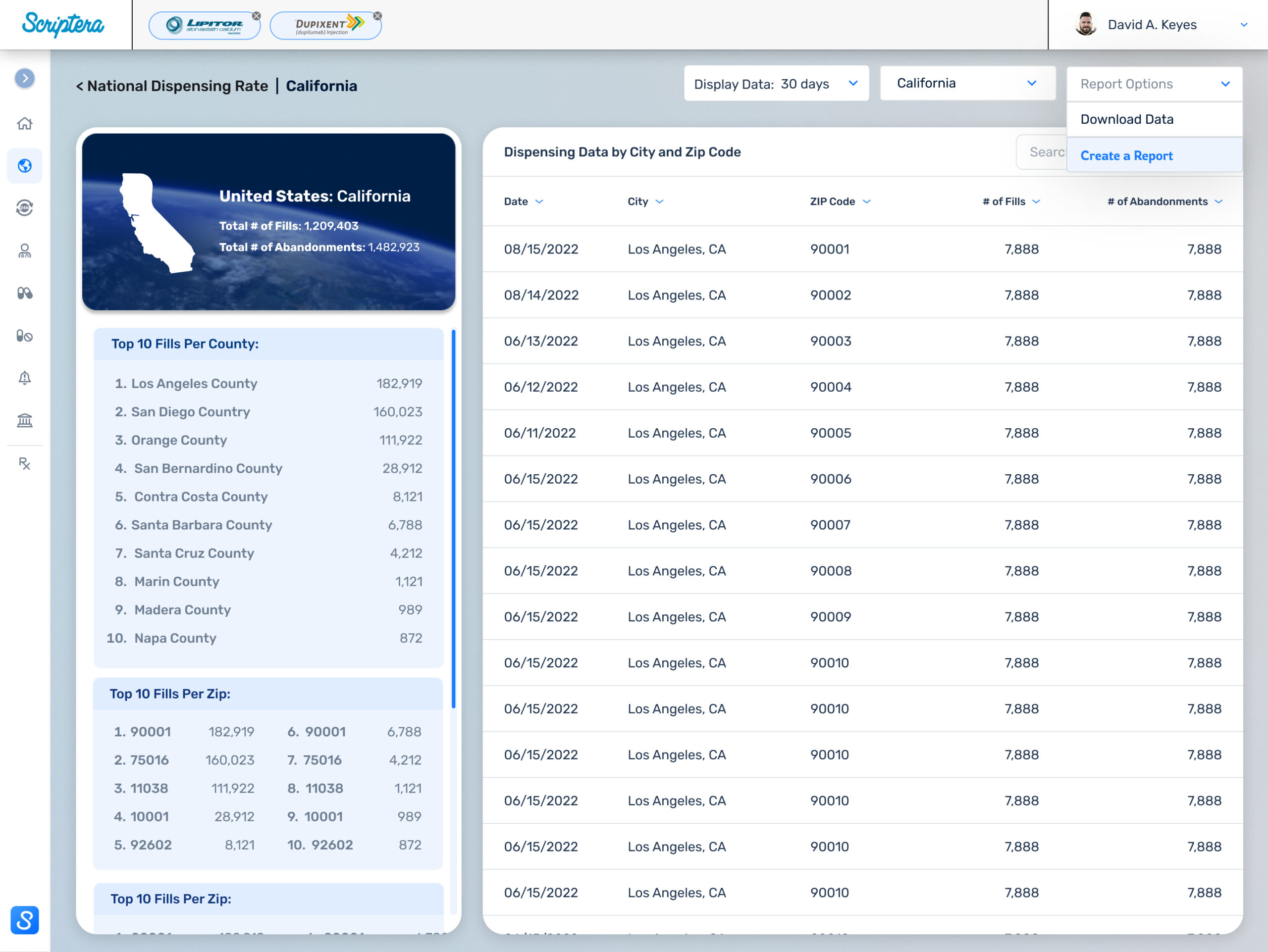
Rather than compressing complexity into dense dashboards, the strategy focused on sequencing understanding. Data appeared with context. Permissions established authority. Reporting preserved intent as information moved between roles.
Customization existed within guardrails. Flexibility supported responsibility rather than undermining it. Governance was treated as a design requirement, not an operational afterthought. The objective was restraint: the system needed to hold up under regulatory scrutiny and real-world decision pressure.
What I did
- Codified decision-making principles governing data access and authority
- Defined system rules for how insight could be surfaced, shared and acted on
- Locked guardrails that kept customization from eroding accountability
(05)The execution
Turning strategy into system behavior.
Execution translated the product strategy into structural decisions. Early concepts were pressure-tested against data density, role boundaries and regulatory constraints. Only patterns that preserved clarity and accountability advanced.
Every interface decision was weighed against a single question: does this support judgment under regulatory pressure?
Execution
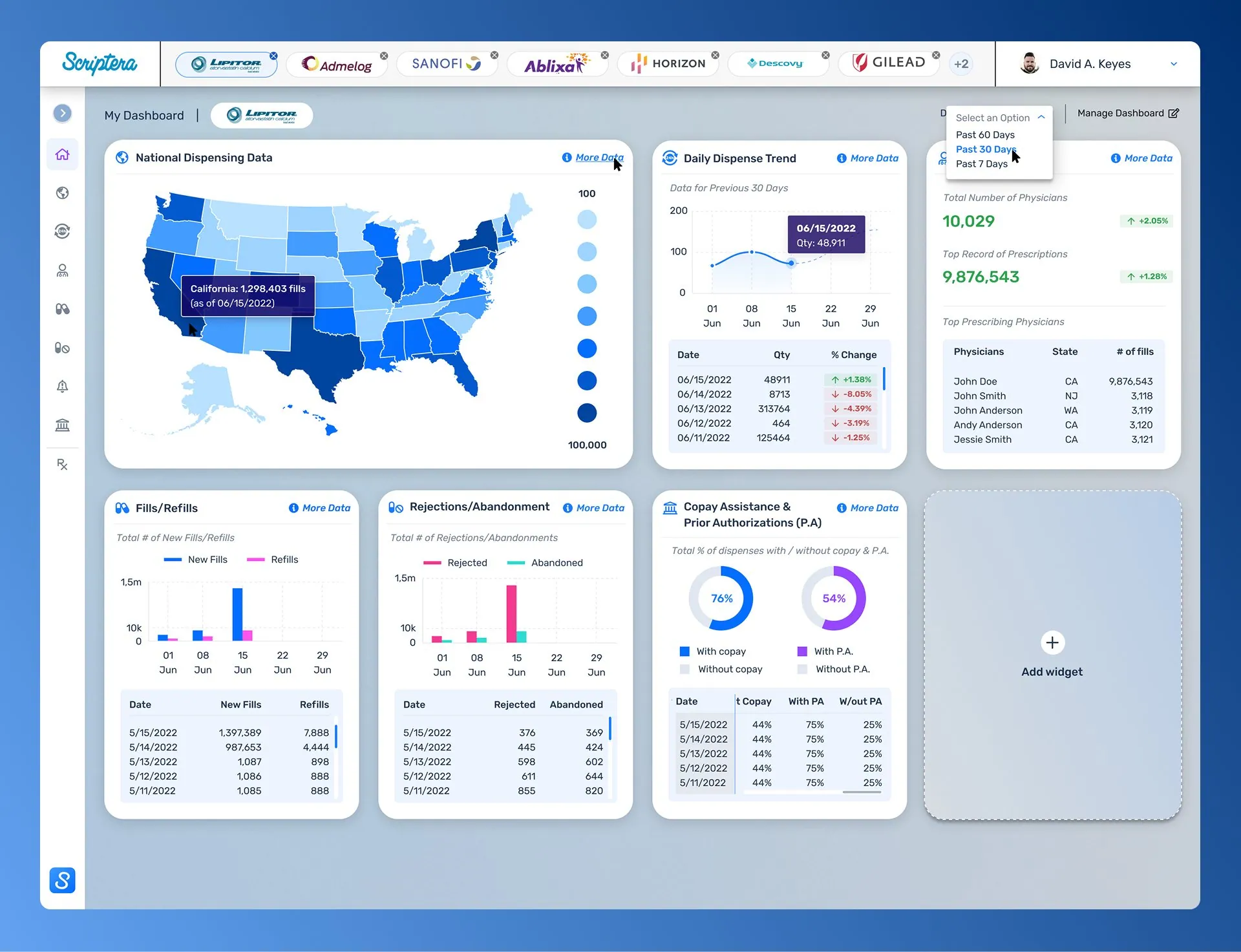
Customizable dashboards, structured by intent
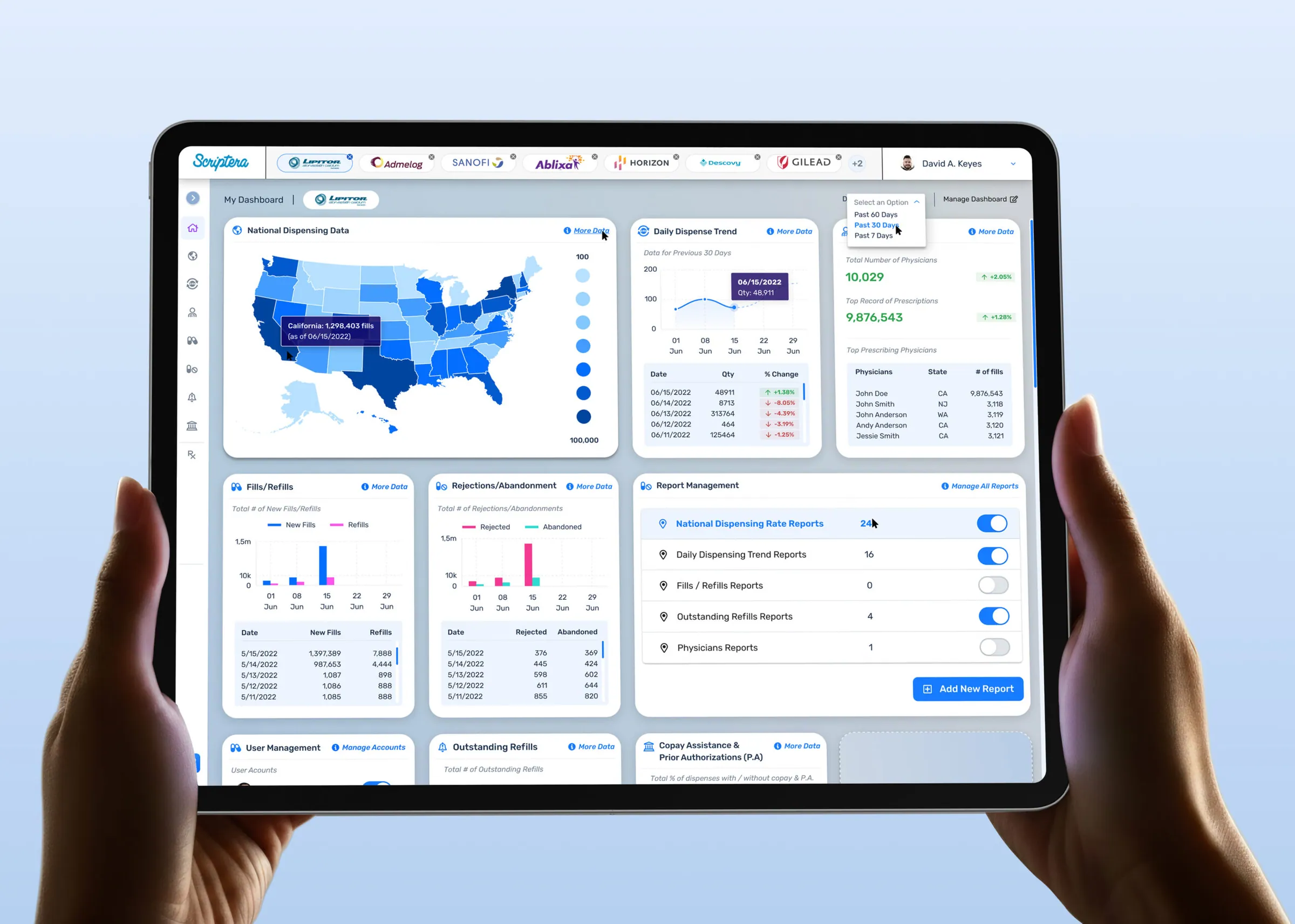
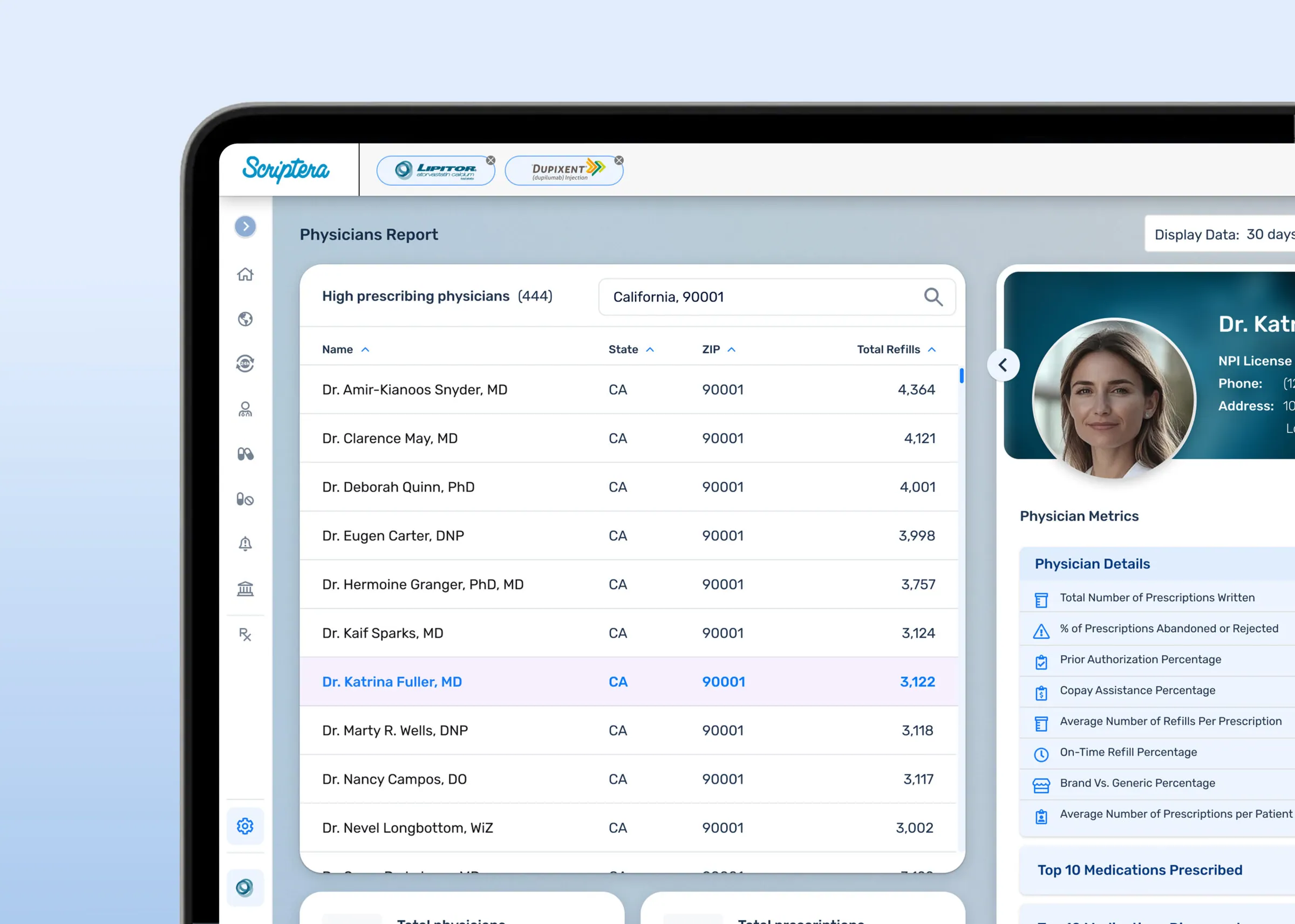
Dashboards were designed as modular systems rather than fixed views. Each widget worked as an accountable data source, surfaced or suppressed by role without compromising system integrity.
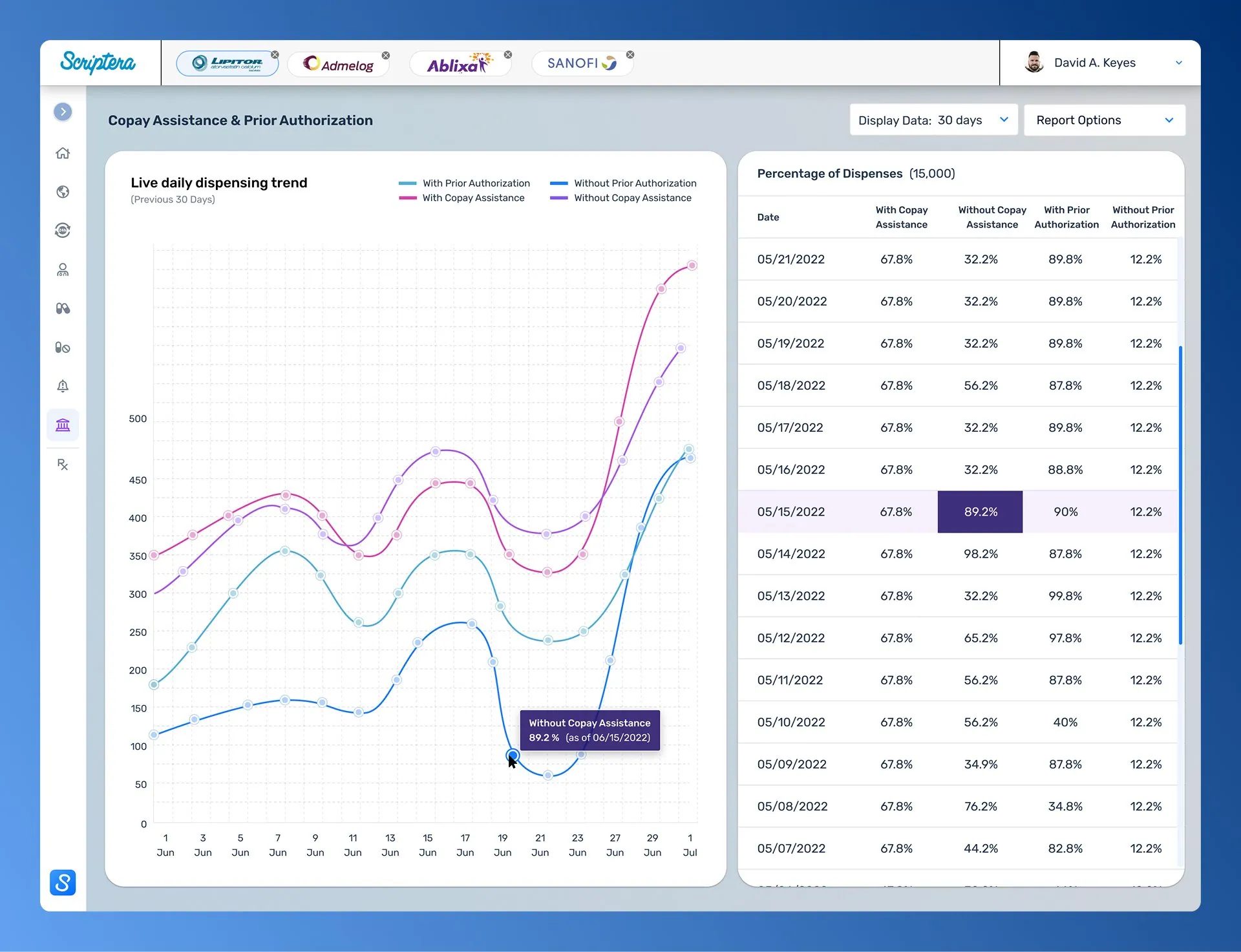
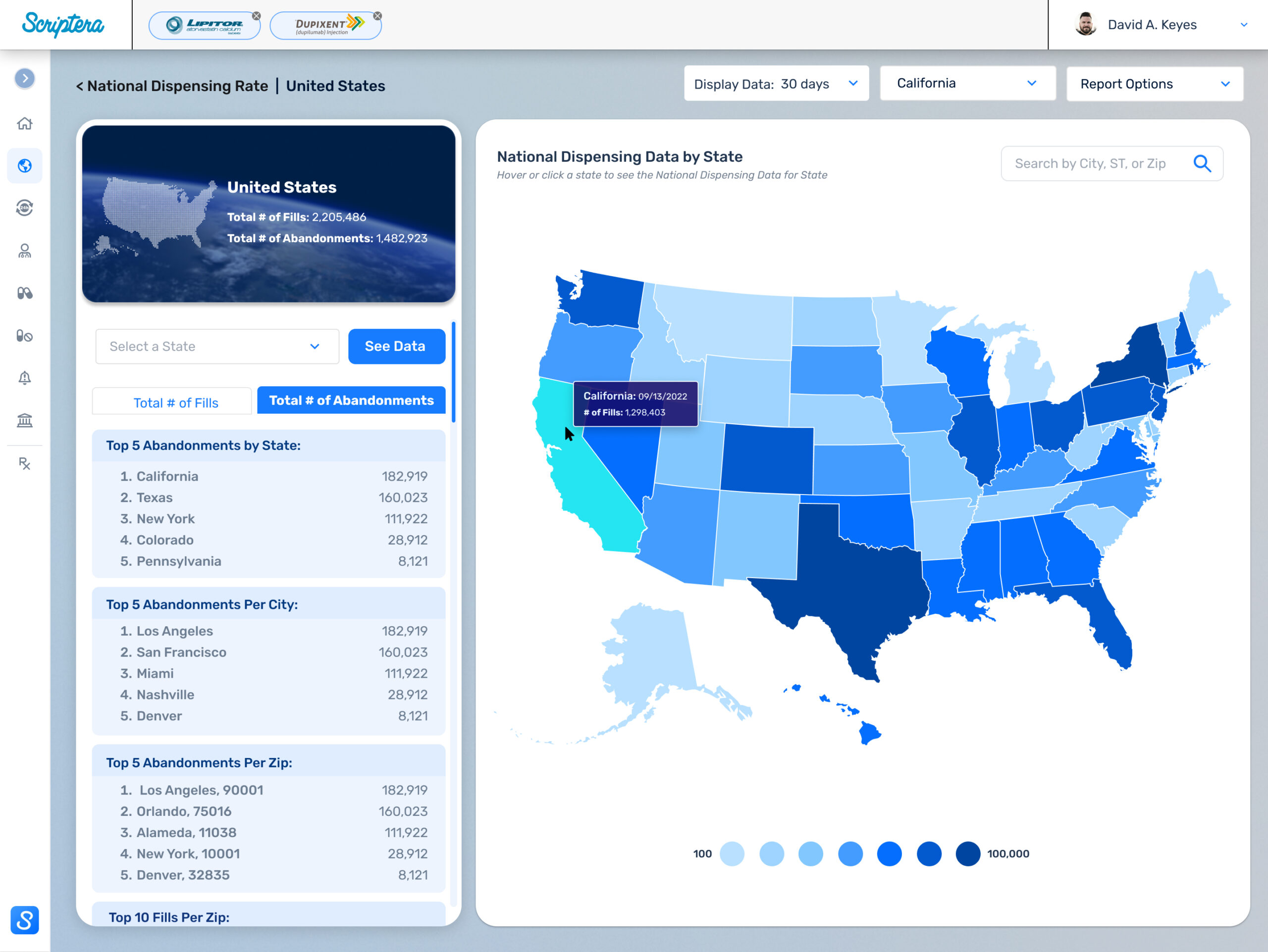
Progressive detail, not data overload
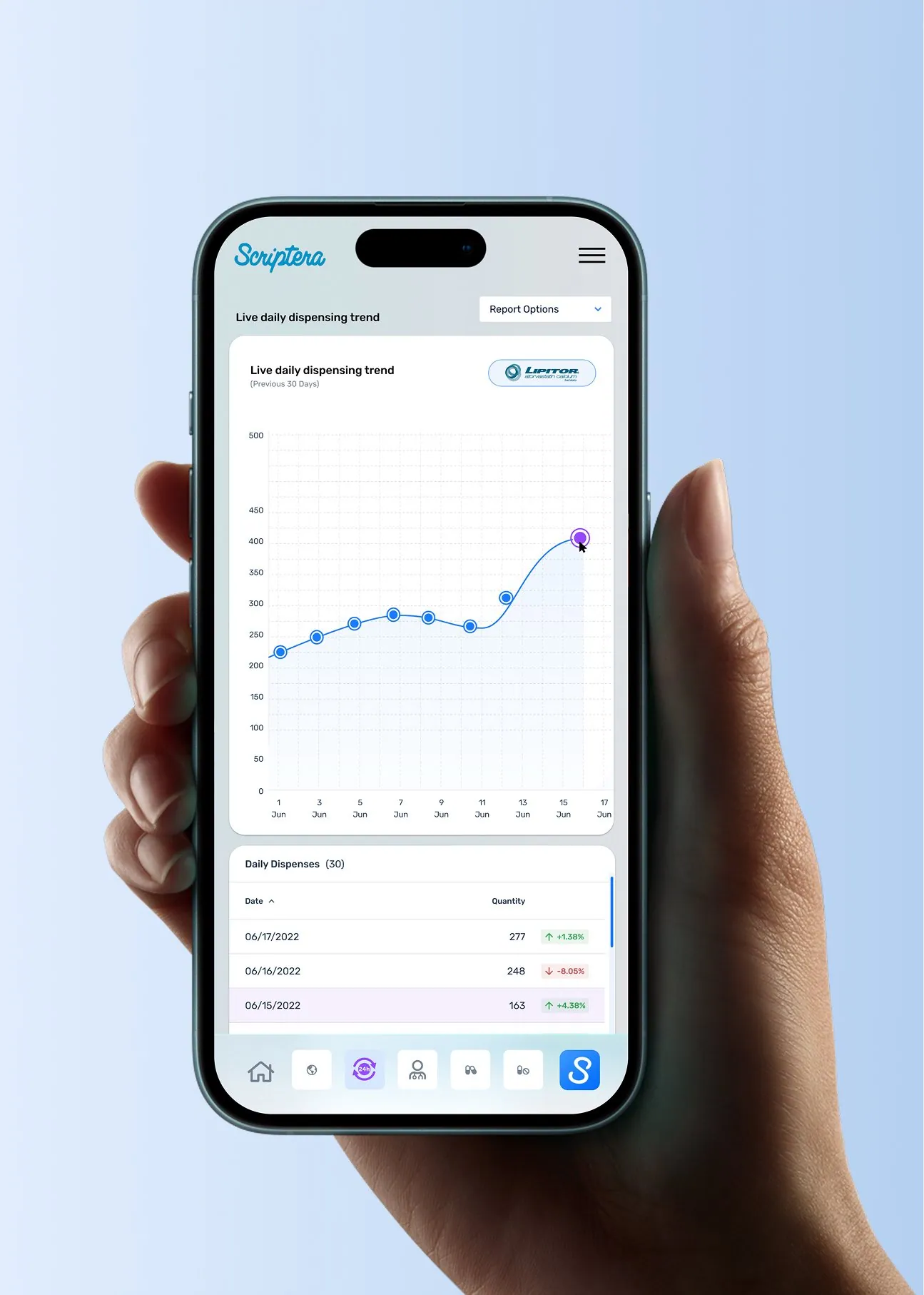
High-level signals were never treated as conclusions. Each dashboard surface connects to deeper, role-aware views, sequencing information to support deliberate analysis rather than immediate reaction.
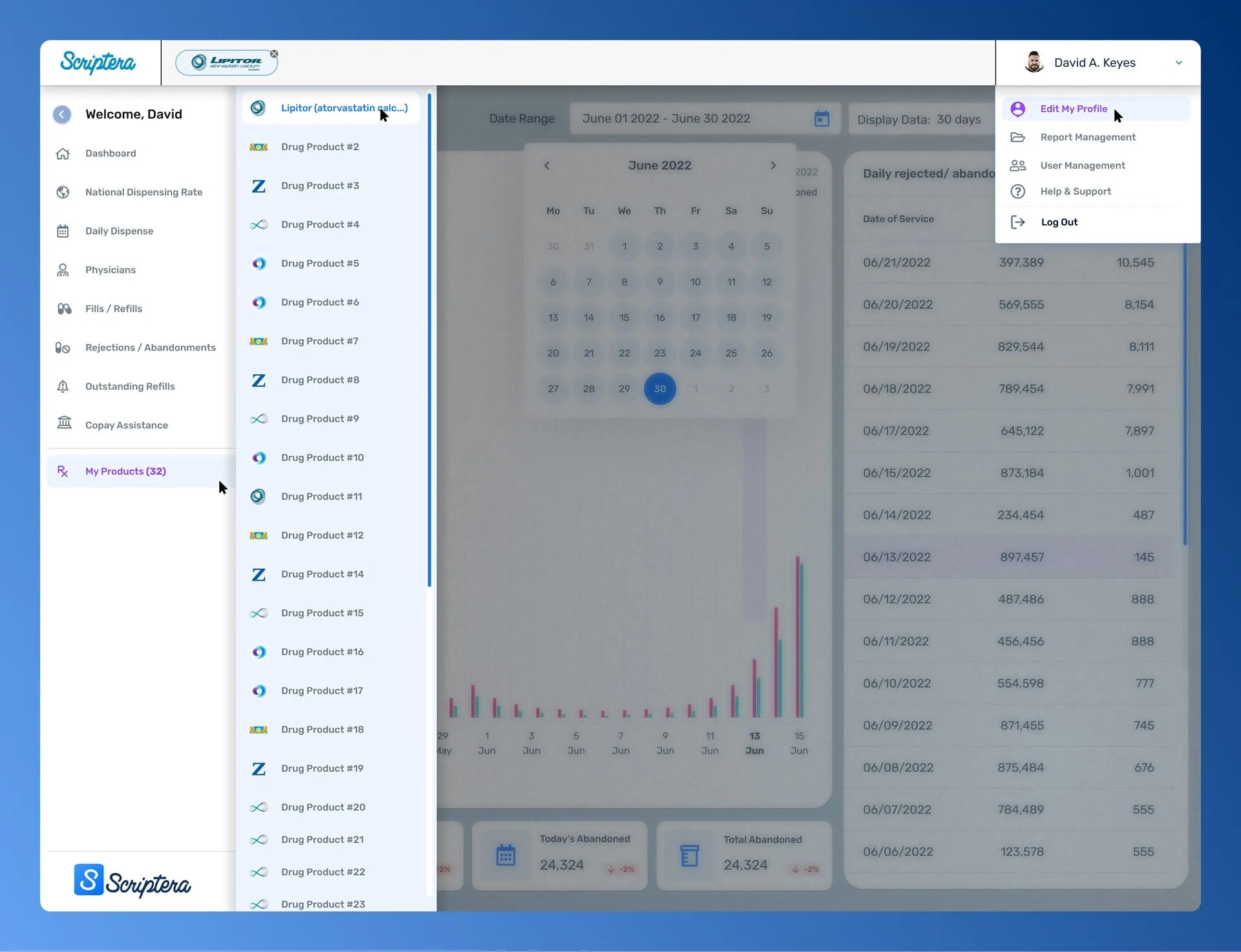
Mechanics that carry intent
Collapsible navigation managed data density, while governed reporting workflows preserved context and intent beyond the interface.
01 / 03
Platform screens
(06)Leadership and collaboration
Owning the system, not just the screens.
Delivered under a compressed timeline, the platform required early, decisive direction. I led product vision, UX strategy and system architecture, mapping more than 75 role-specific screens and system states across administrators, compliance stakeholders and general users.
Design intent was translated into development-ready requirements. UX execution was developed with a UX designer under my creative and product direction at Saritasa.
Role and responsibilities
- Led product vision, UX strategy and system architecture end to end
- Directed and reviewed UX execution to keep it aligned with system intent
- Translated design decisions into development-ready requirements under tight constraints

(07)The impact
Clarity that drives regulated decisions.
Teams spent less time reconciling reports and more time understanding them. Data sharing became intentional. Compliance shifted from procedural to structural.
Today, Scriptera supports data partnerships across thousands of retail pharmacies. The platform delivers structured insights and revenue opportunities at no cost, while letting owners keep the value of their own data.
Results
- Greenfield platform delivered for a Q4 2021 launch
- 75+ defined screens and system states
- Custom CMS supporting dynamic data integration
- Delivered approximately 17% under budget
Client praise
“From early concept through launch, David and the Saritasa team were steady, thoughtful, and deeply invested in the success of Scriptera. His guidance made complex work feel manageable and set us up for long-term confidence in the product.”
 Kevin LaxerCEO, Scriptera
Reflection
“Scriptera reinforced that systems don’t fail from missing data, but from unclear ownership of the decisions data enables.”

(08)The closing
Building trust into regulated decision-making.
Scriptera was built for environments where accountability cannot be assumed or deferred. By aligning data access, permissions and responsibility at the system level, the platform created a foundation for insight that scales without introducing regulatory or operational risk.
About this case study
Regulated data platforms often fail not from missing information, but from unclear ownership of interpretation and action. This work shows how system design can enforce accountability by aligning data access, permissions and responsibility at a structural level.
References
- Ladd, Elaine. “PDS and Scriptera Partner to Make Independent Pharmacies Better, Stronger and More Profitable.” GlobeNewswire, 13 Jan. 2022. globenewswire.com (opens in a new tab)
- Cline, Josh. “Rx Linc Partners with Scriptera to Enhance Pharmacies’ Bottom Line.” PR Newswire, 21 Oct. 2021. prnewswire.com (opens in a new tab)
- Scriptera on Facebook. facebook.com (opens in a new tab)