Ink Us: Redefining tattoo discovery by connecting artists and intent

(01)Project overview
Where insight existed without ownership.
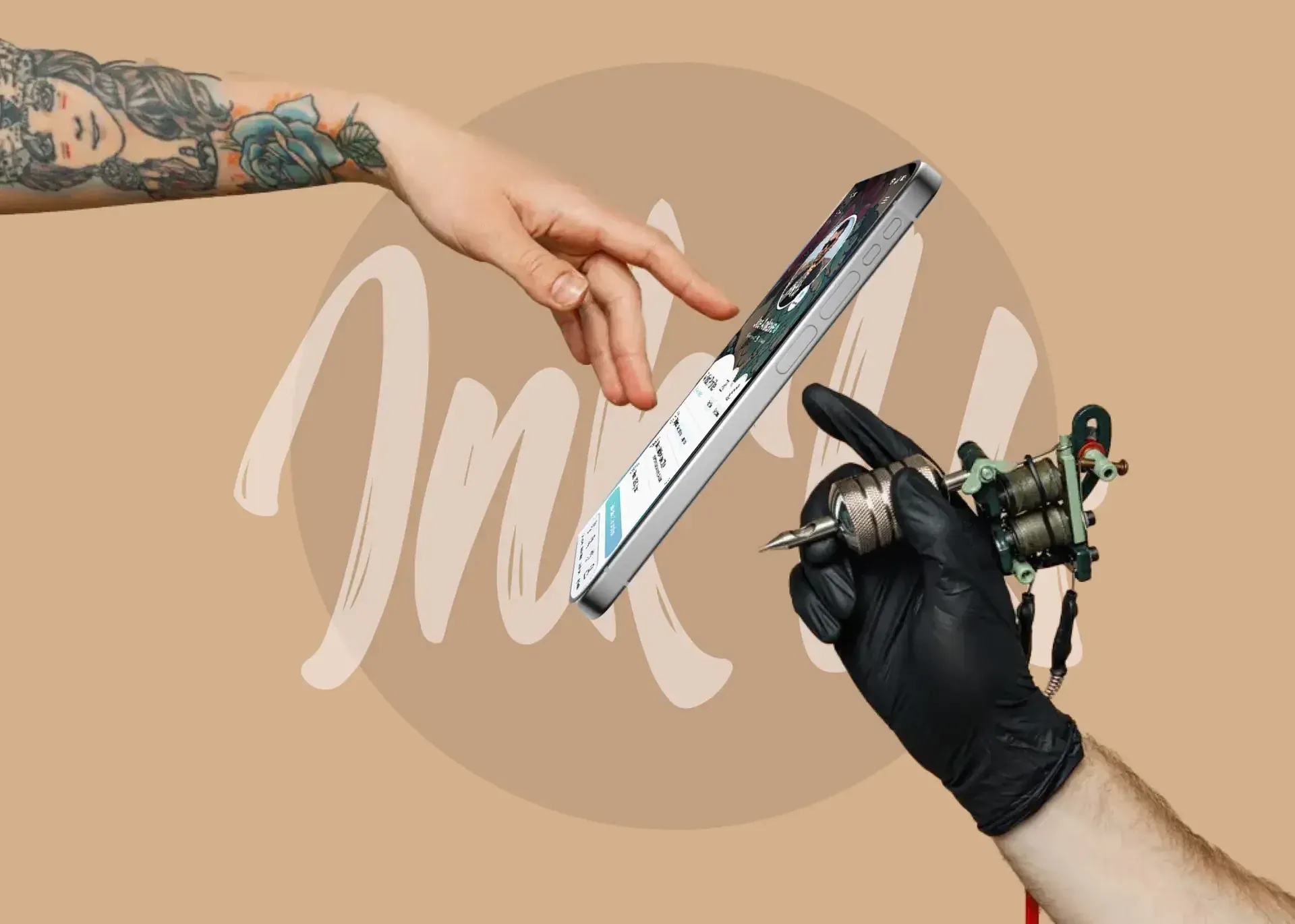
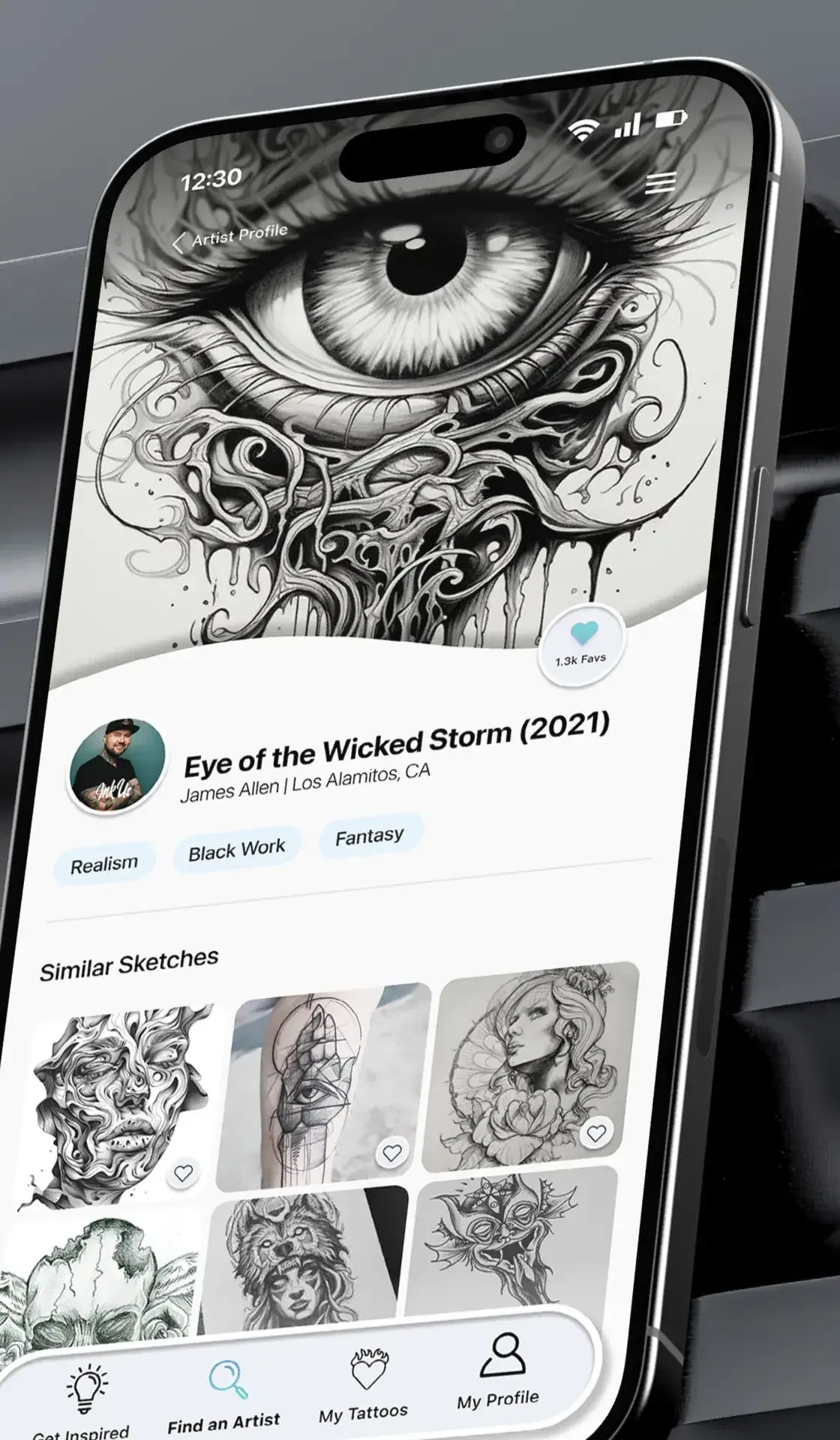
InkUs is a platform designed to help clients discover and connect with tattoo artists through verified portfolios and real-world context. The challenge was not speed, but trust. Discovery systems that optimize for volume over fit create irreversible outcomes in a permanent medium.
This engagement focused on shaping a discovery experience that protected judgment, preserved artist integrity and aligned incentives across clients, artists and studios.
Project details
- Client
- Ink Us, LLC
- Headquarters
- Los Angeles, California
- Agency
- Saritasa, LLC
- Industry
- Technology, lifestyle
- Engagement
- Mobile app, Product design, Platform design
- Role
- Creative direction, Platform architecture, UX design lead
Key outcomes
- 2M+Global iOS downloads
- 4.8★Average App Store rating
- 11,904App Store reviews
(02)The context
A system optimized for speed, not judgment.
Tattoo discovery carries more responsibility than most digital products. Decisions are permanent, personal and culturally grounded. Yet discovery was largely happening on platforms optimized for speed, visibility and engagement rather than accuracy or fit.
People relied on Instagram feeds, Pinterest boards and Google image searches to form ideas, then navigated fragmented paths to find artists capable of executing them. For artists, discovery depended on inconsistent tagging, scattered portfolios and surface-level exposure.
InkUs identified this gap early. But like many first-to-market platforms, the initial experience borrowed heavily from generic social UX patterns. Discovery moved too fast. Matching happened too early. Artist representation lacked nuance. Trust had not yet been earned.
Founded by tattoo artist Joe Ankave, InkUs grew out of firsthand frustration with how fragmented tattoo discovery had become, a challenge later recognized beyond the tattoo community as the platform gained attention in the tech and product space, as profiled by The Silicon Review.
What I did
- Audited discovery and matching behaviors across client and artist roles
- Identified decision breakdowns caused by premature filtering and visual overload
- Defined system requirements to protect fit, intent and trust during discovery
(03)The challenge
When speed undermines decision quality.
InkUs did not have a feature problem. It had a decision-quality problem.
The platform needed to support two very different perspectives without flattening either. Tattoo enthusiasts were seeking clarity, confidence and direction. Professional artists were protecting craft, time and reputation.
When discovery prioritizes speed over understanding, both sides lose. Incorrect matches are not minor UX failures. They create wasted time, misaligned expectations and broken trust, all unacceptable in a space defined by permanence.
The challenge was not to make discovery faster. It was to make it responsible.
(04)The strategy
Structuring clarity before action.
As creative director of UX, my role was to introduce structure, clarity and decision discipline across the product. InkUs needed to slow down before it could scale.
Tattoo discovery is not about volume. It is about fit. The experience had to help people think before it helped them browse, and help artists be represented accurately before they were surfaced widely.
That reframing shifted the product from a generic discovery tool into a trust-driven system.
What I did
- UX strategy and product framework definition
- Information architecture for artist representation and matching logic
- Discovery flow restructuring and prioritization
(05)The execution
Translating principles into system behavior.
Execution focused on translating strategic constraints into system behavior. Patterns that preserved judgment advanced. Those that encouraged premature selection were intentionally removed.
Execution
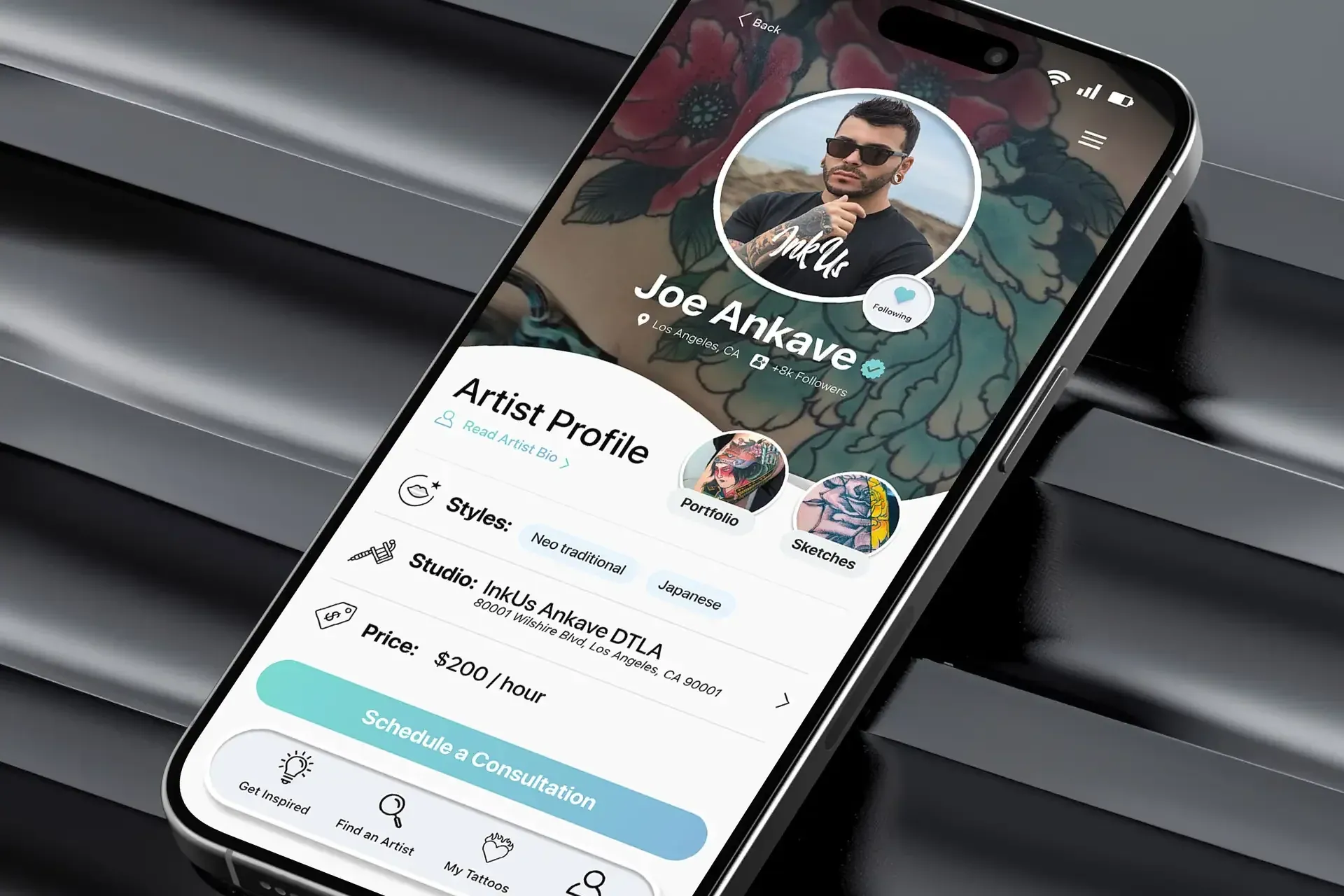
Artist representation, structured for trust
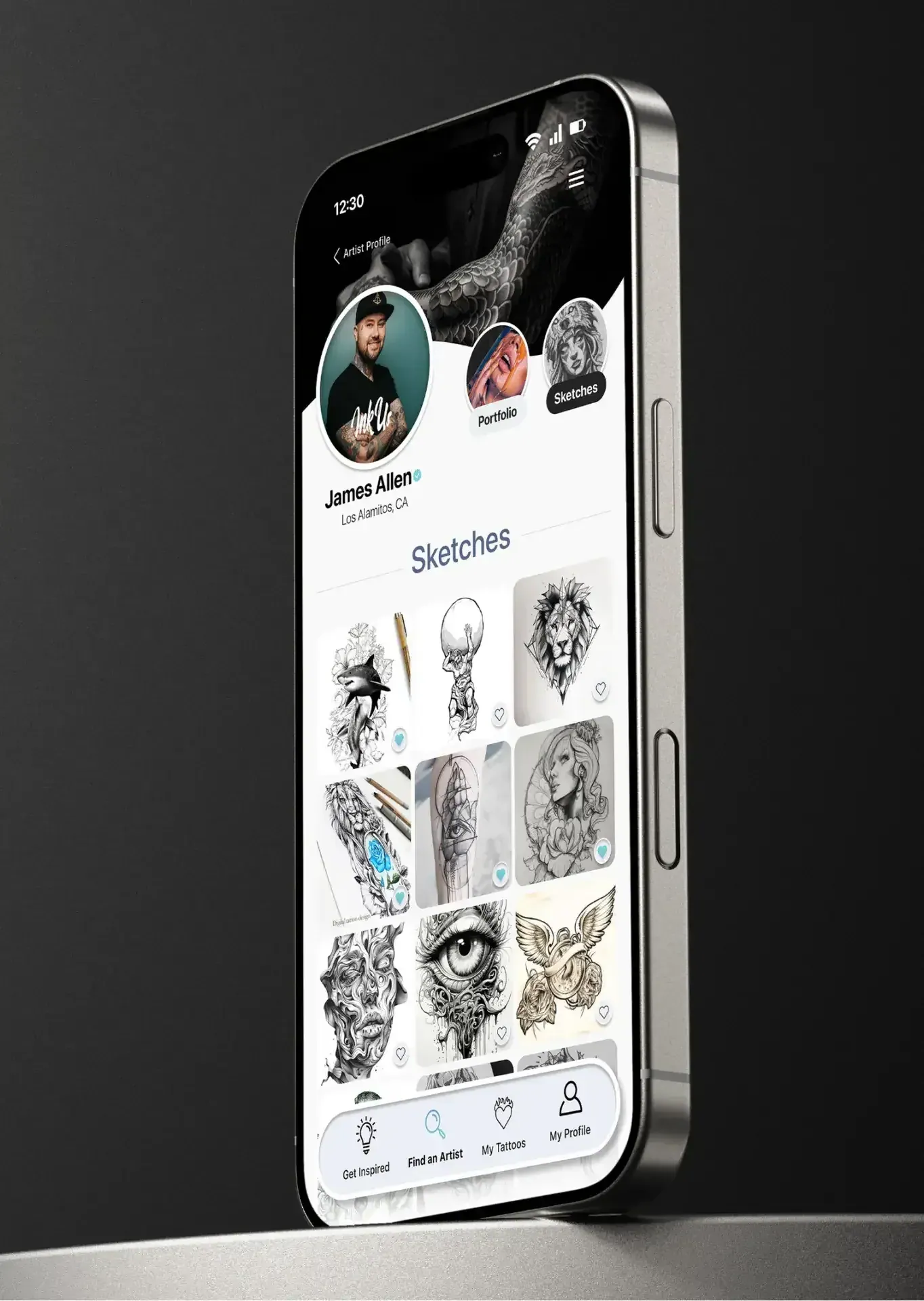
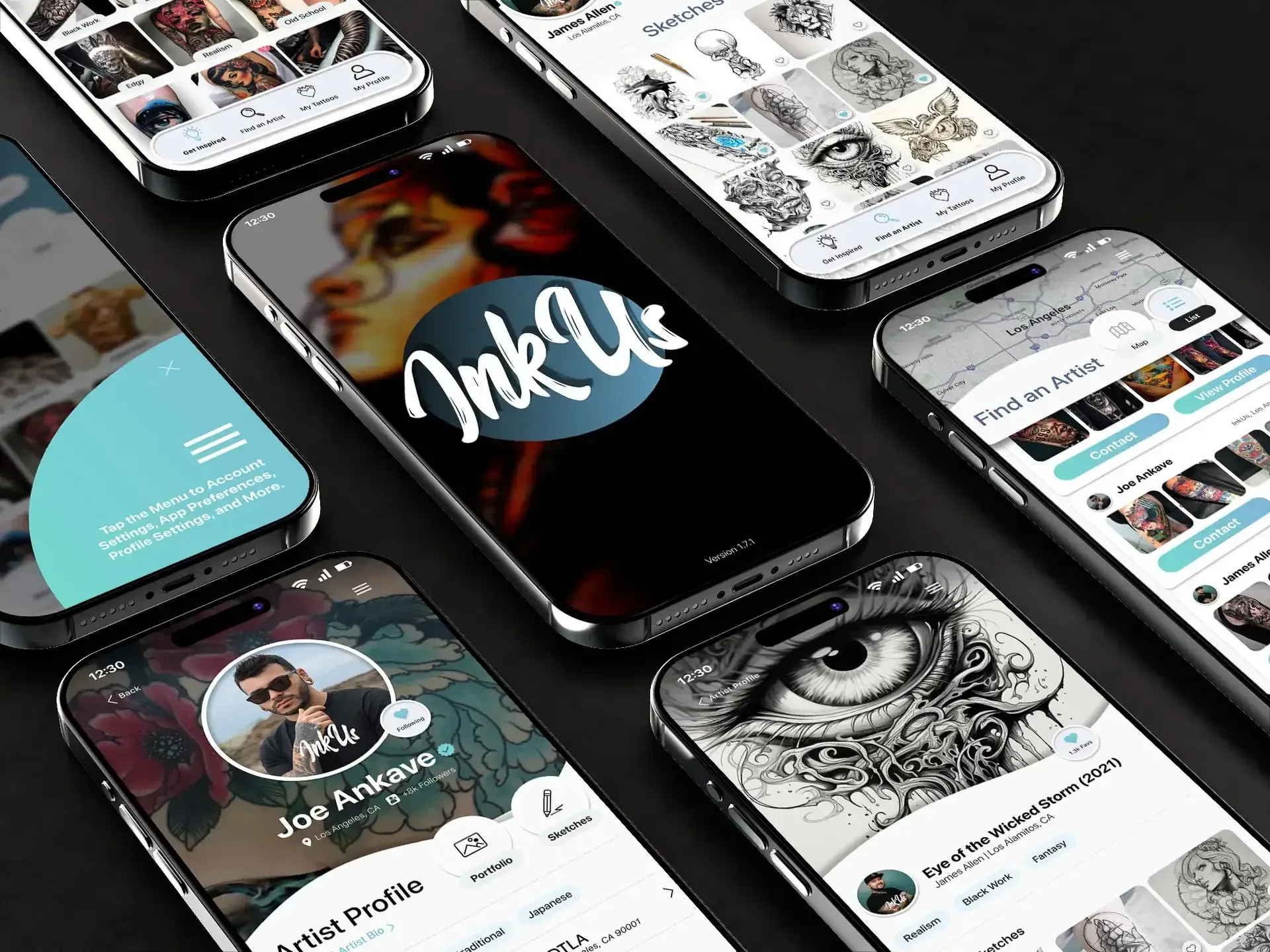
Tagging and filtering were redesigned with direct input from professional tattoo artists. Styles were treated as overlapping and evolving rather than rigid categories, improving matching accuracy and artist trust.
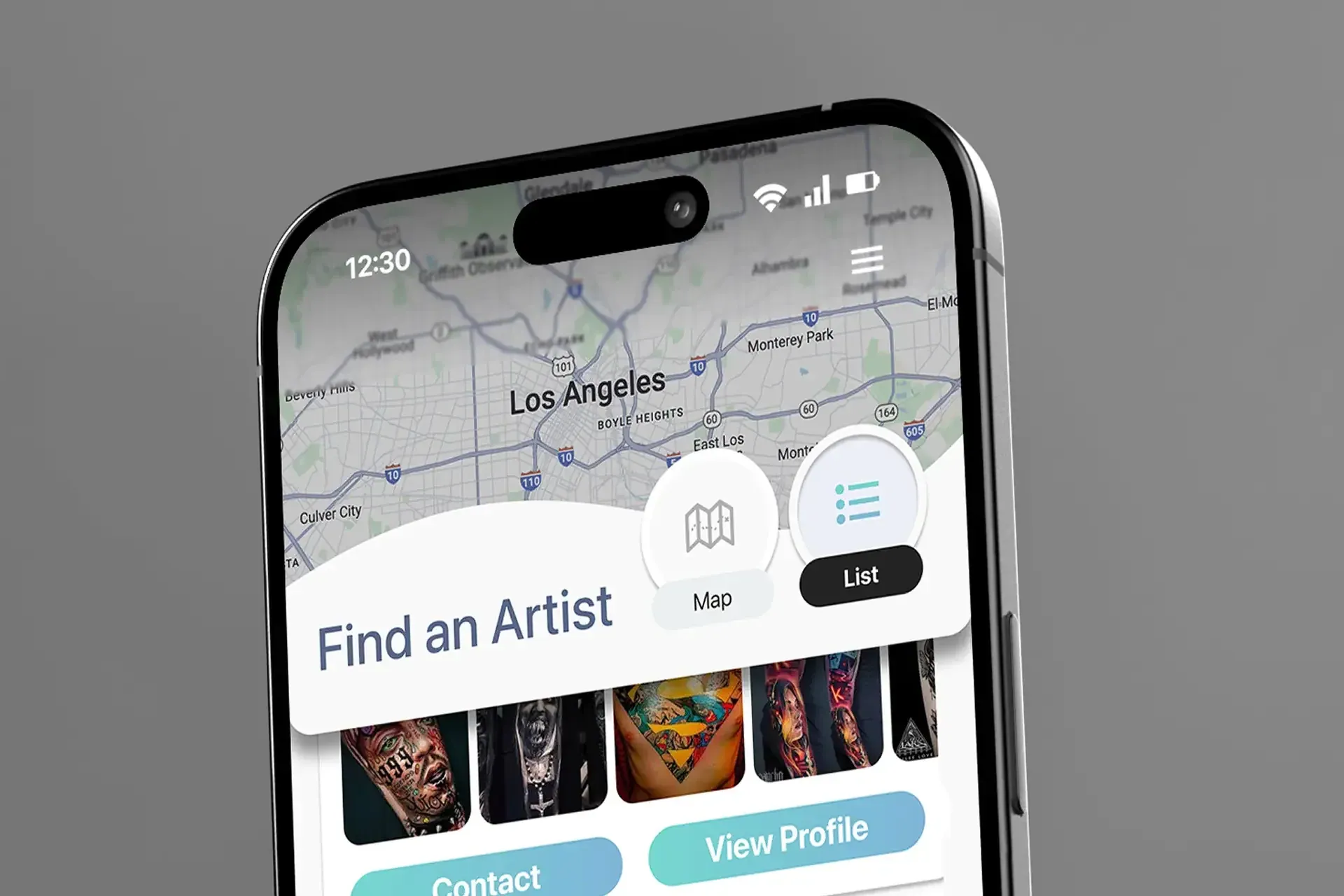
Grounding discovery in intent
Location-based discovery was protected as a foundational system, keeping results relevant and accountable. Broader exploration was supported without diluting local trust.
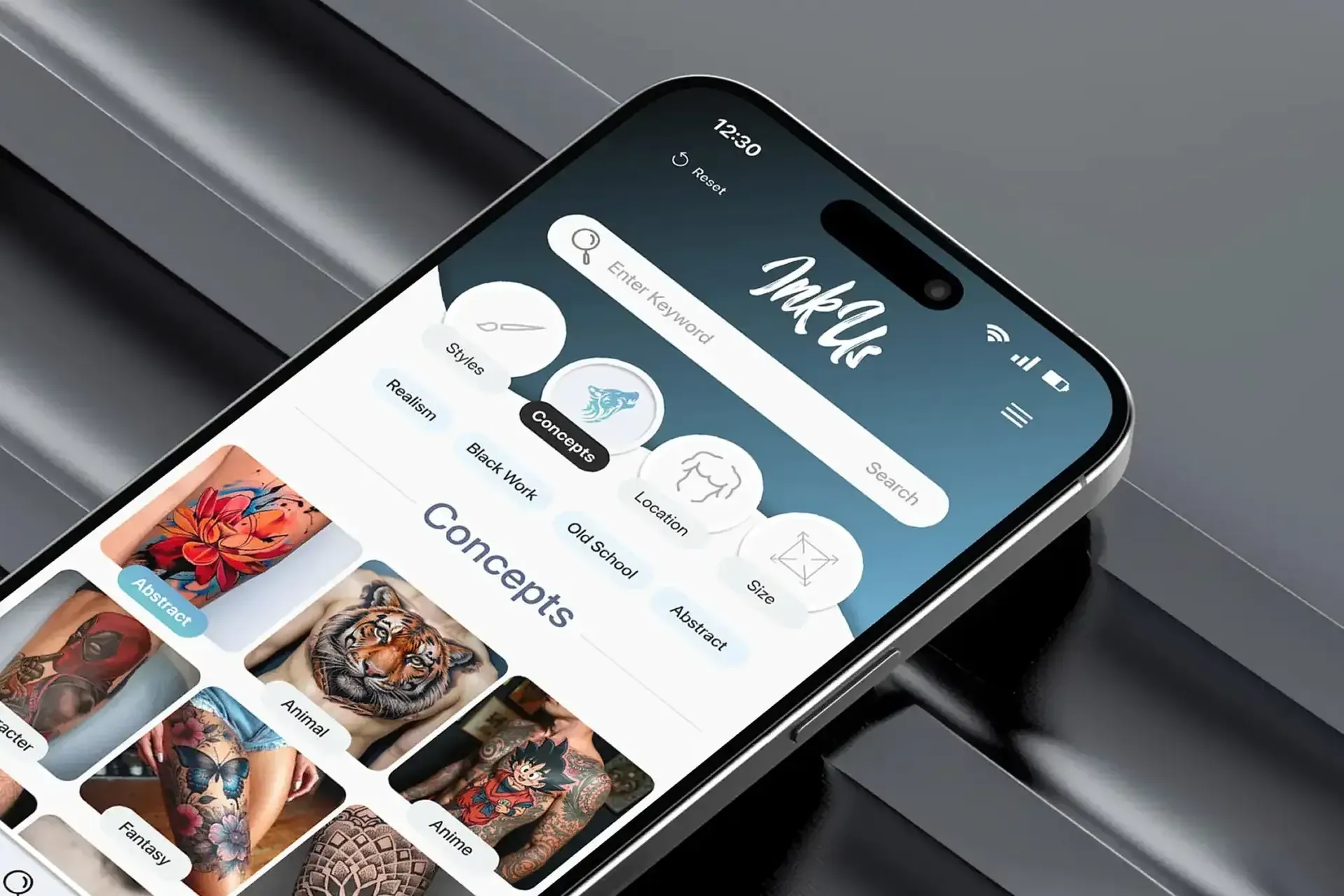
Prioritizing concept development
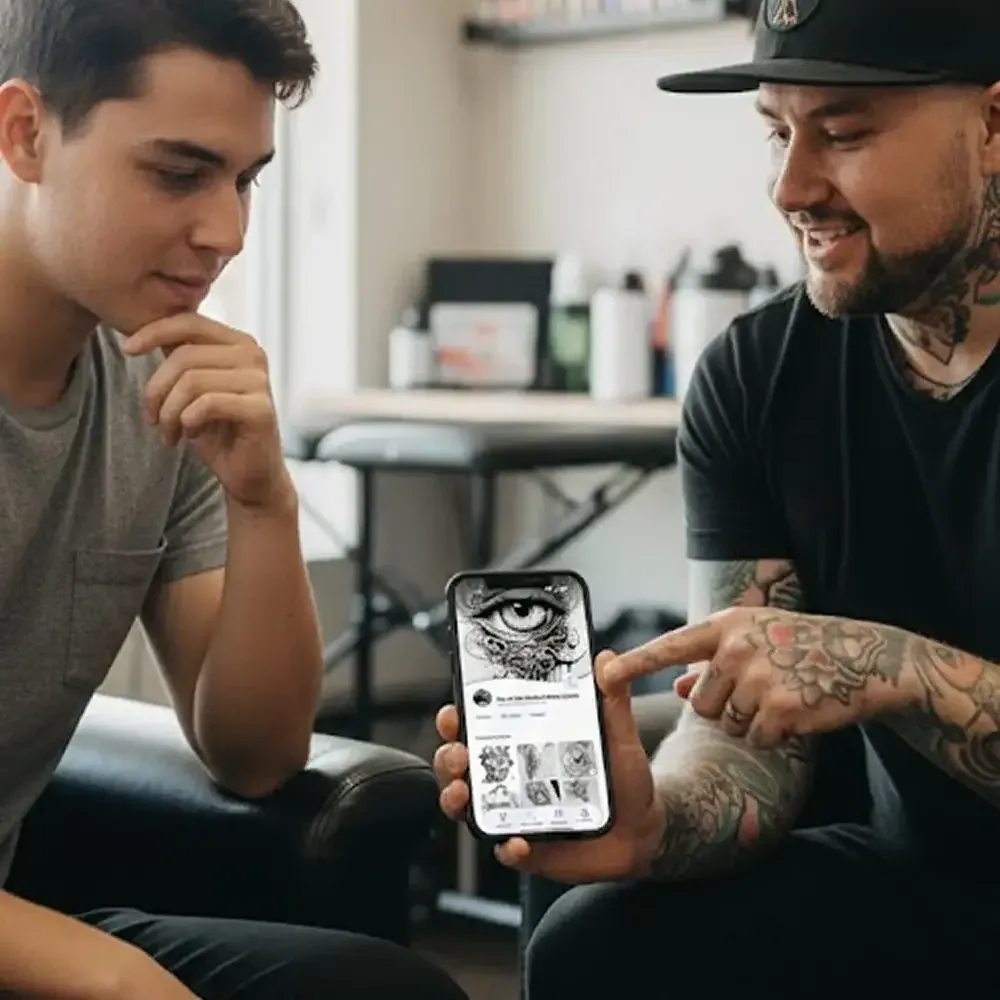
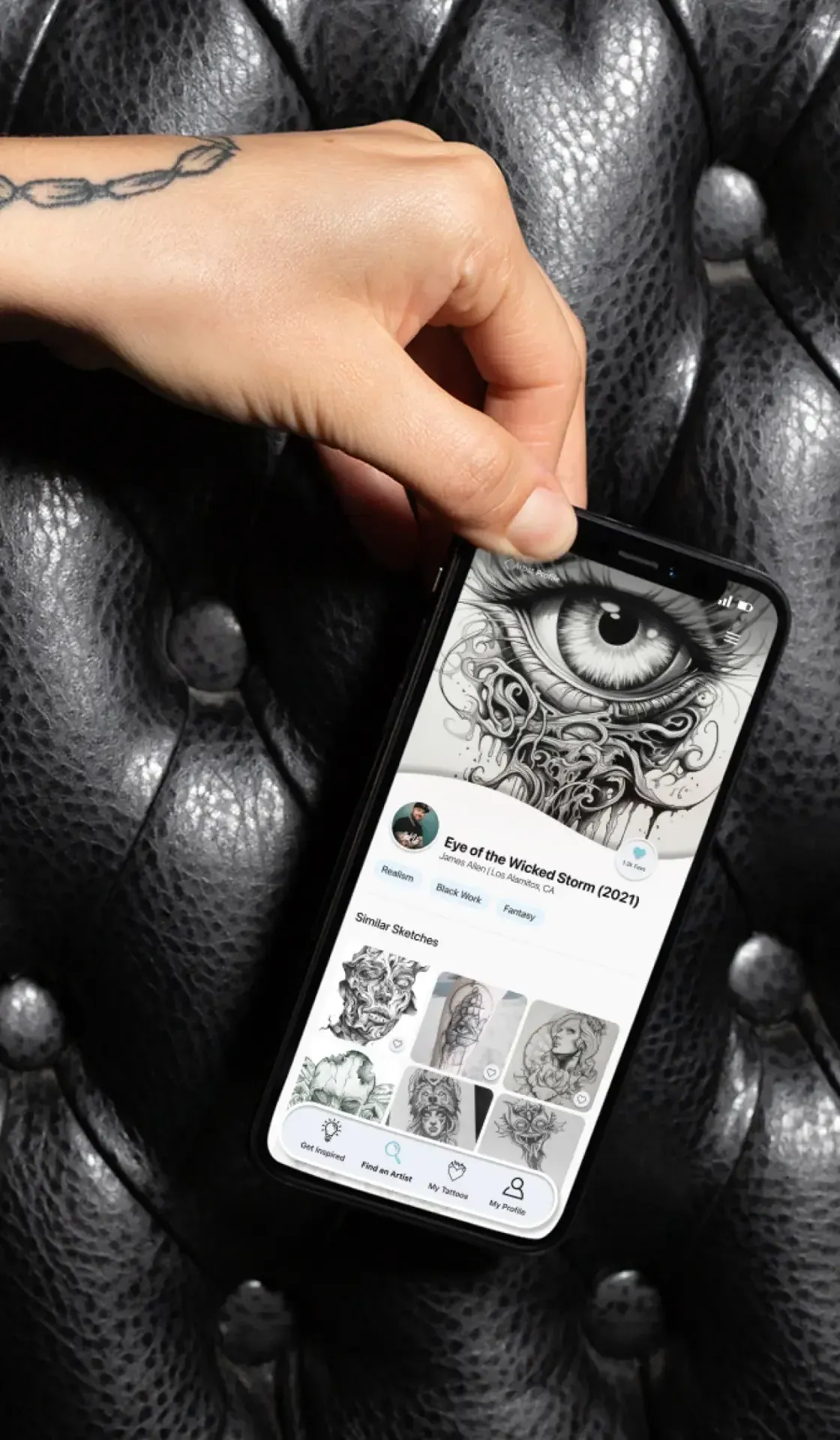
The product flow was restructured to support idea formation before artist outreach. People could collect references, upload sketches and clarify direction before matching, reducing misalignment and wasted conversations.
01 / 03
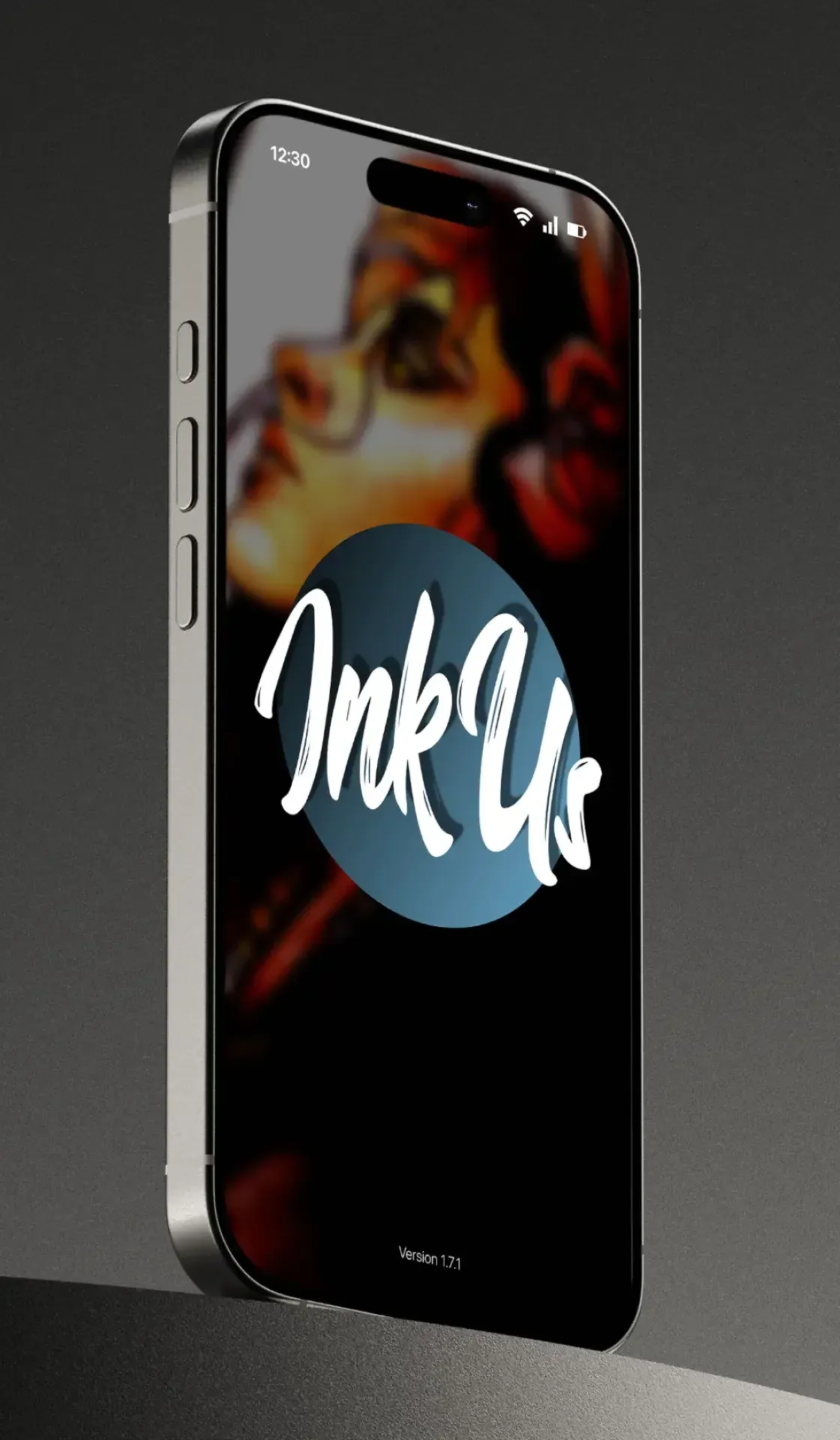
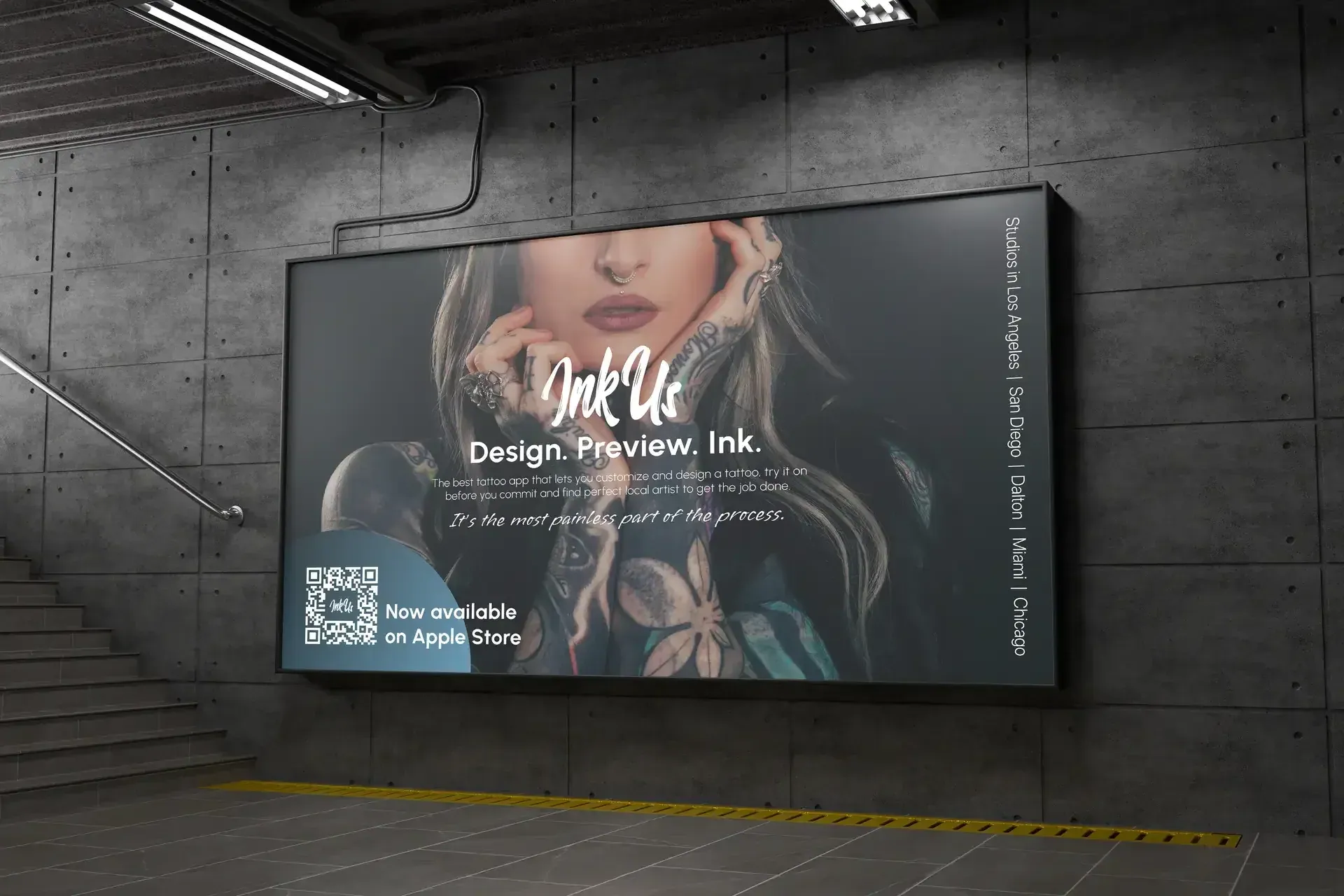
Ink Us mobile app promo: Copyright © Ink Us, LLC. All rights reserved.
(06)Leadership and collaboration
Owning the system end to end.
InkUs required clarity early. Discovery systems shape behavior long before conversion, and missteps at this stage are costly to reverse. I led product vision and UX strategy, defining the decision framework that governed discovery, representation and pacing across the platform.
Strategy and UX execution were developed with a UX designer under my creative and strategic direction. Design intent was translated into clear requirements and validated against real studio behavior, keeping concept and delivery aligned.
What I did
- Set discovery principles governing trust, pacing and representation
- Directed UX strategy and reviewed execution to preserve system intent
- Aligned product, design and stakeholder decisions around long-term fit
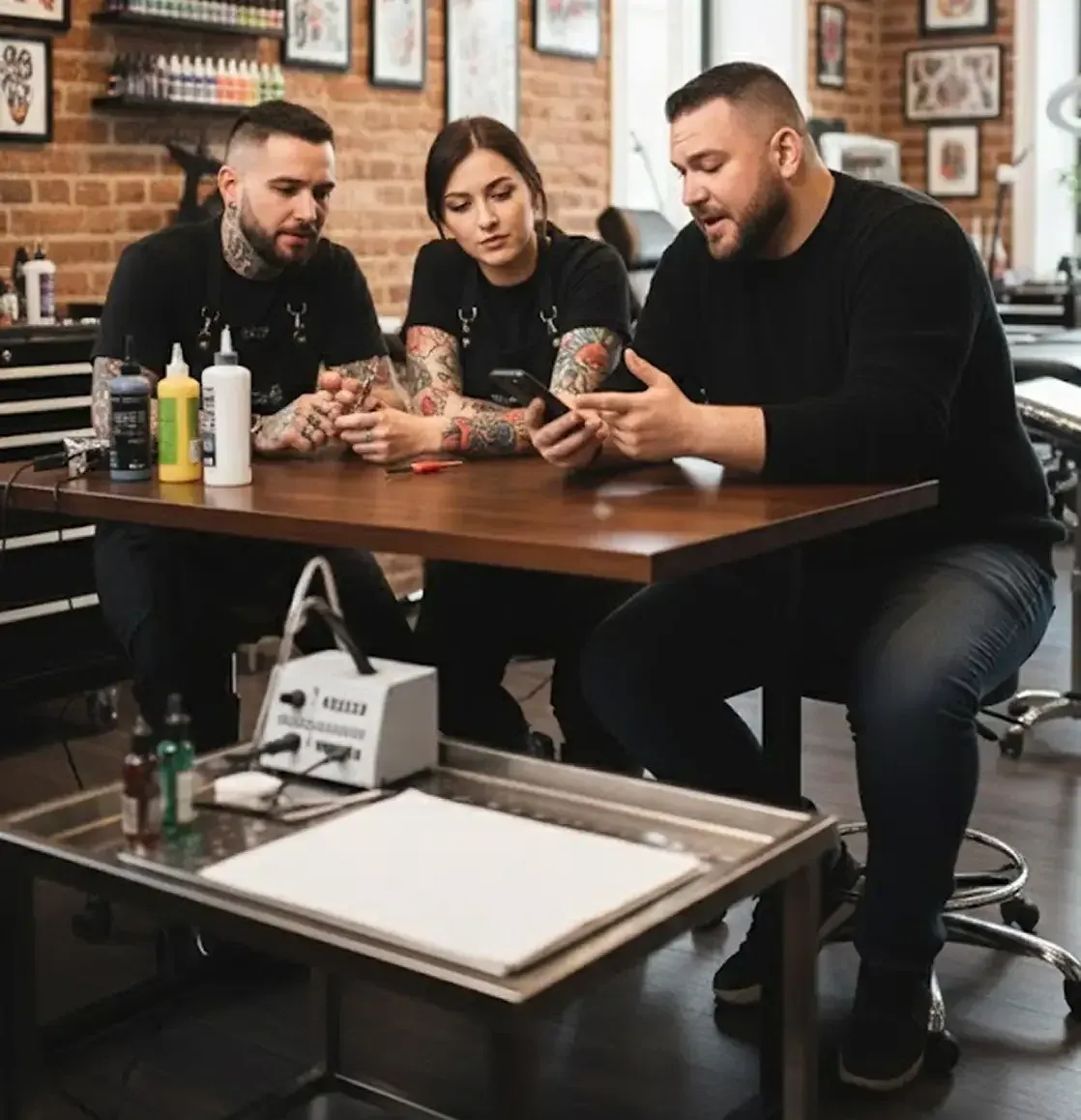
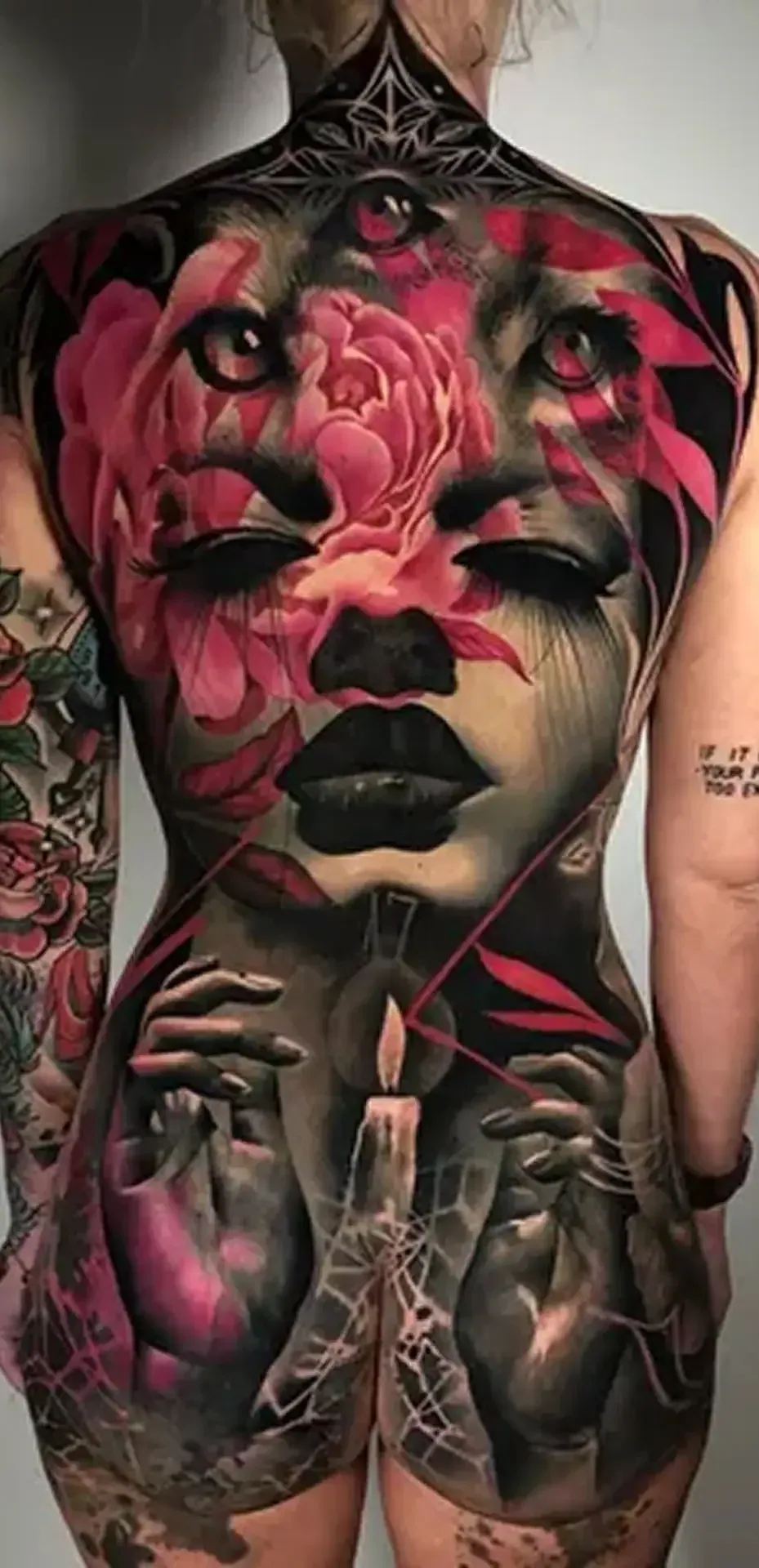
In the studio
From the community
Artists and clients, in their words.
“InkUs makes my job so much easier. Finding the right clients no longer takes hours of messaging back and forth. It finally feels like a platform built for how tattoo artists actually work.”
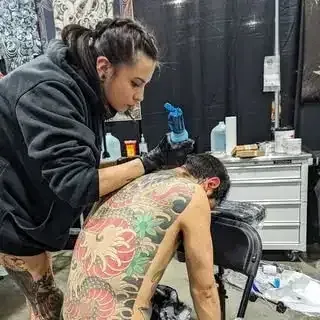 Mia V.Professional tattoo artist
“My first tattoo felt overwhelming to plan, but InkUs helped me find the right style, artist, and book my session all in one day.”
 Jason R.Ink Us app user
(07)The impact
Decisions made with confidence, not guesswork.
Once discovery aligned with how people and artists actually make decisions, behavior changed. Artists engaged more confidently. Clients spent more time clarifying ideas before outreach. Matches became more intentional and productive.
InkUs shifted from a fast discovery tool into a platform built around judgment, accuracy and trust.
Results
- 4.8★ average App Store rating across 11,904 reviews
- More time spent in concept development before artist outreach
Client praise
“Working with David and the Saritasa team was a turning point for InkUs. The vision, leadership, and care for the product brought our idea to life in ways that genuinely exceeded expectations.”
 Joe AnkaveFounder, Ink Us
Reflection
“InkUs taught me that when outcomes are permanent, design decisions stop being neutral and start becoming ethical.”
(08)The closing
Designing for judgment when it matters most.
InkUs was reshaped to serve a category where decisions cannot be undone and trust is earned slowly. By restructuring discovery around intent, accuracy and artist representation, the platform reduced noise and improved decision quality on both sides of the marketplace.
The result is a system designed to respect craft, protect time and help people move forward with confidence rather than regret.
About this case study
Creative marketplaces are shaped as much by decision quality as by discovery mechanics. This case study explores how experience design influences judgment and trust in environments where creative choices carry lasting consequences.
References
- “InkUs Mobile App for Tattoo Design and Artist Discovery.” Saritasa: the app’s purpose, gallery, artist features and UX focus. saritasa.com (opens in a new tab)
- “InkUs.” AppAdvice: a platform overview of discovery and artist connection features. appadvice.com (opens in a new tab)
- InkUs on Facebook: ongoing engagement with users and artists. facebook.com (opens in a new tab)