(Scroll)
Audiomack is a global music streaming platform built to give artists direct access to audiences without gatekeeping or paywalls. During a rapid growth phase between 2015 and 2017, the platform expanded quickly across mobile devices and international markets, placing new pressure on its product systems.
As user adoption increased, core experiences such as listening, discovery, and offline access began to fragment across iOS and Android. Features evolved faster than the system supporting them. Artist tools, analytics, and notifications existed, but lacked cohesion.
This engagement focused on restructuring Audiomack’s core experience during a critical growth window, ensuring the platform could scale while preserving access, performance, and artist trust.
Client:
Headquarters:
Agency:
Industry:
Engagement:
Role:
[Key outcomes]
Between 2015 and 2017, Audiomack transitioned from an emerging streaming app into a globally adopted platform, serving users across regions with widely varying connectivity, devices, and listening behaviors.
Audiomack serves millions of users across regions where connectivity, devices, and listening habits vary widely. Offline listening is not a convenience. It is a requirement. Performance is not an optimization. It is a baseline expectation.
As the platform scaled, core workflows became harder to maintain consistently across Android and iOS. Artists needed better insight into how their music performed. Users needed faster access without added complexity.
The challenge was not adding features. It was restoring coherence.
[What we did]
Audiomack needed to grow without reintroducing the barriers it was built to remove. Offline listening, cross-platform parity, and artist tooling all competed for limited technical and operational bandwidth.
The risk was not visible failure. It was uneven degradation. If access eroded quietly across regions or devices, exclusion would return without announcement. Failure would appear as drop-off, fragmentation, and unequal experience quality.
Rather than optimizing features independently, the strategy treated access as a foundational system requirement. Decisions were evaluated based on durability under constraint, not performance under ideal conditions.
Rather than adding features, the strategy prioritized system clarity. Offline listening, navigation, and artist visibility were treated as interconnected foundations rather than isolated improvements. Decisions were guided by real usage patterns observed during Audiomack’s mid-decade growth phase, not by roadmap momentum.
[What we did]
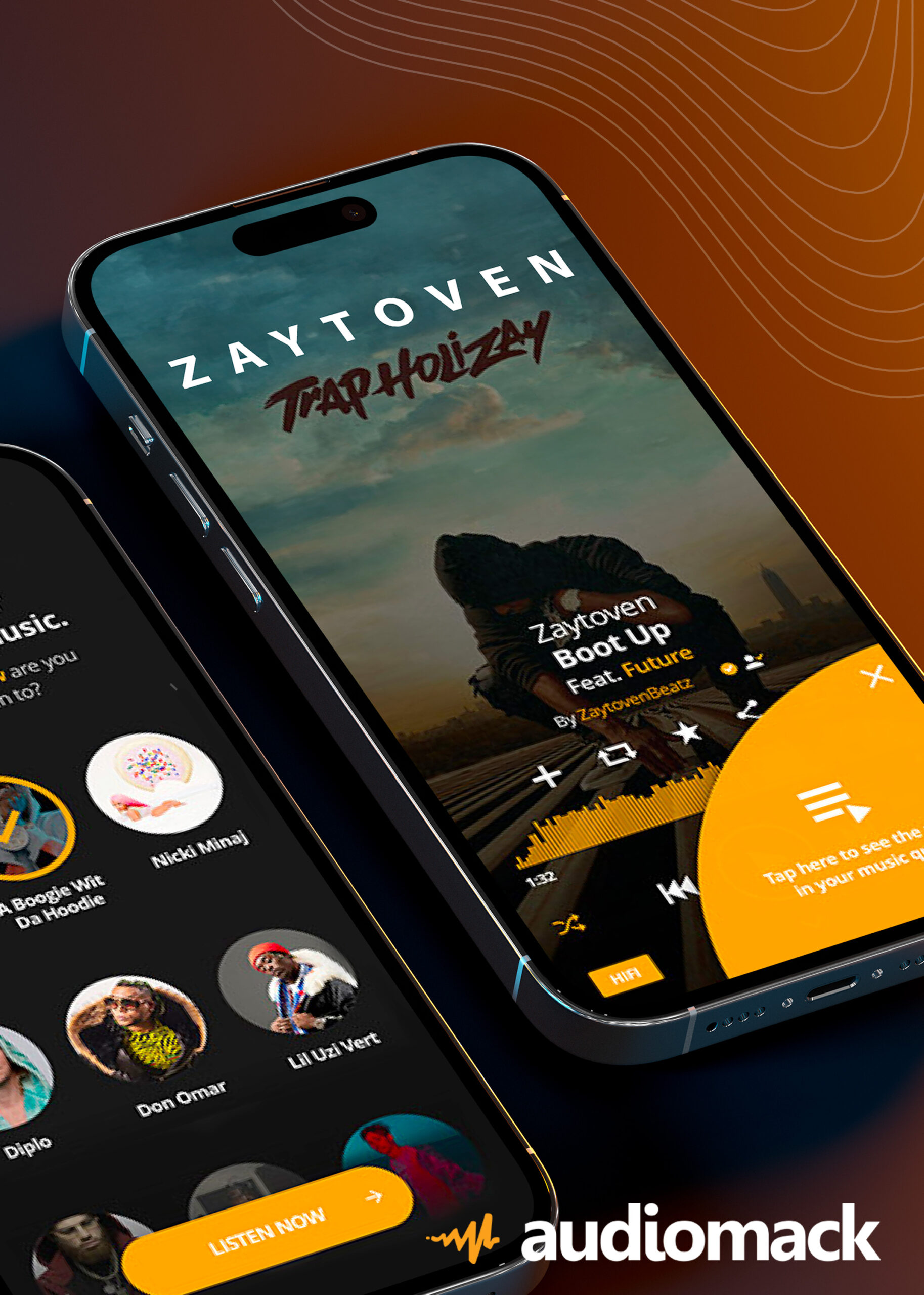
Execution focused on stabilizing Audiomack’s core listening and discovery workflows during a period of rapid scale. Design decisions reinforced performance, predictability, and parity across platforms, ensuring features such as offline listening and artist engagement behaved consistently across markets.
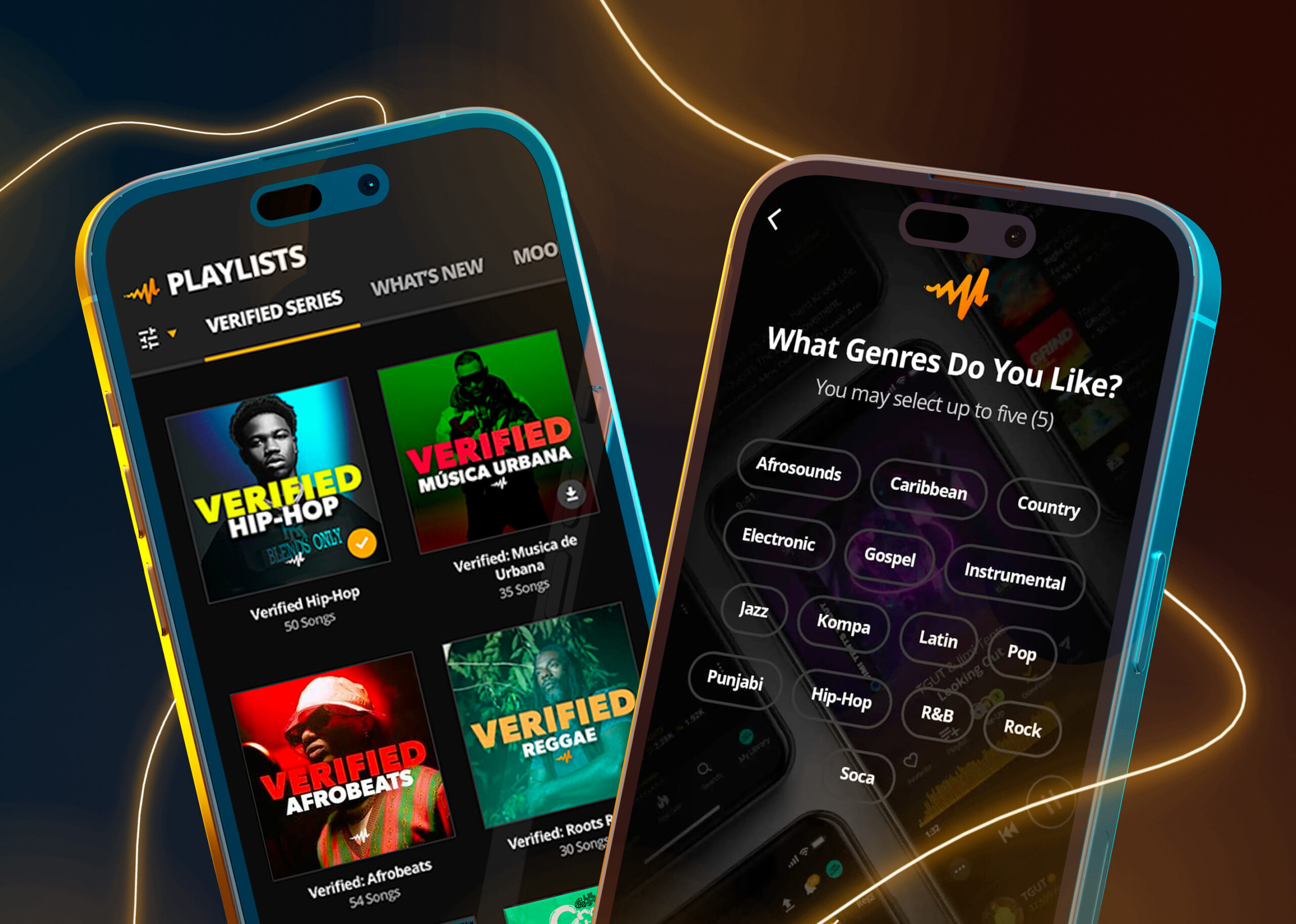
Primary navigation was restructured to reduce depth and surface high-value actions earlier. Users could move between listening, discovery, and library management with fewer decisions.
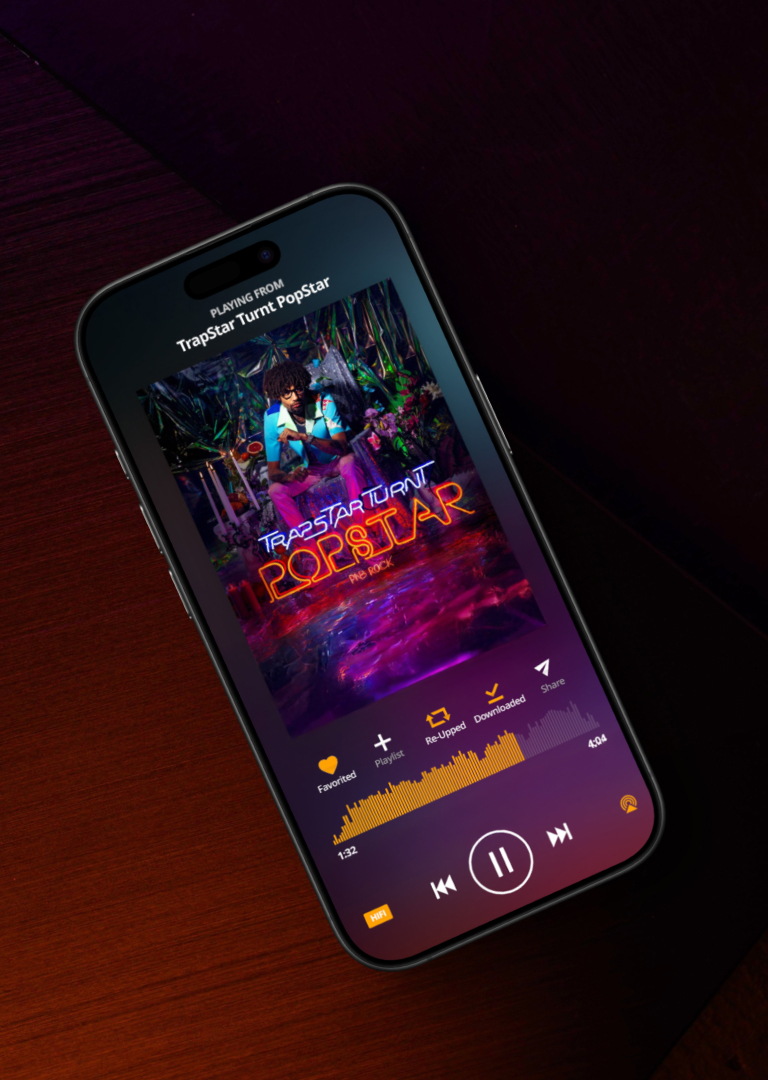
Offline workflows were clarified and reinforced visually, making download states, availability, and playback predictable even in low connectivity environments. Offline listening was treated as infrastructure, not enhancement, ensuring predictable access in regions where connectivity could not be assumed.
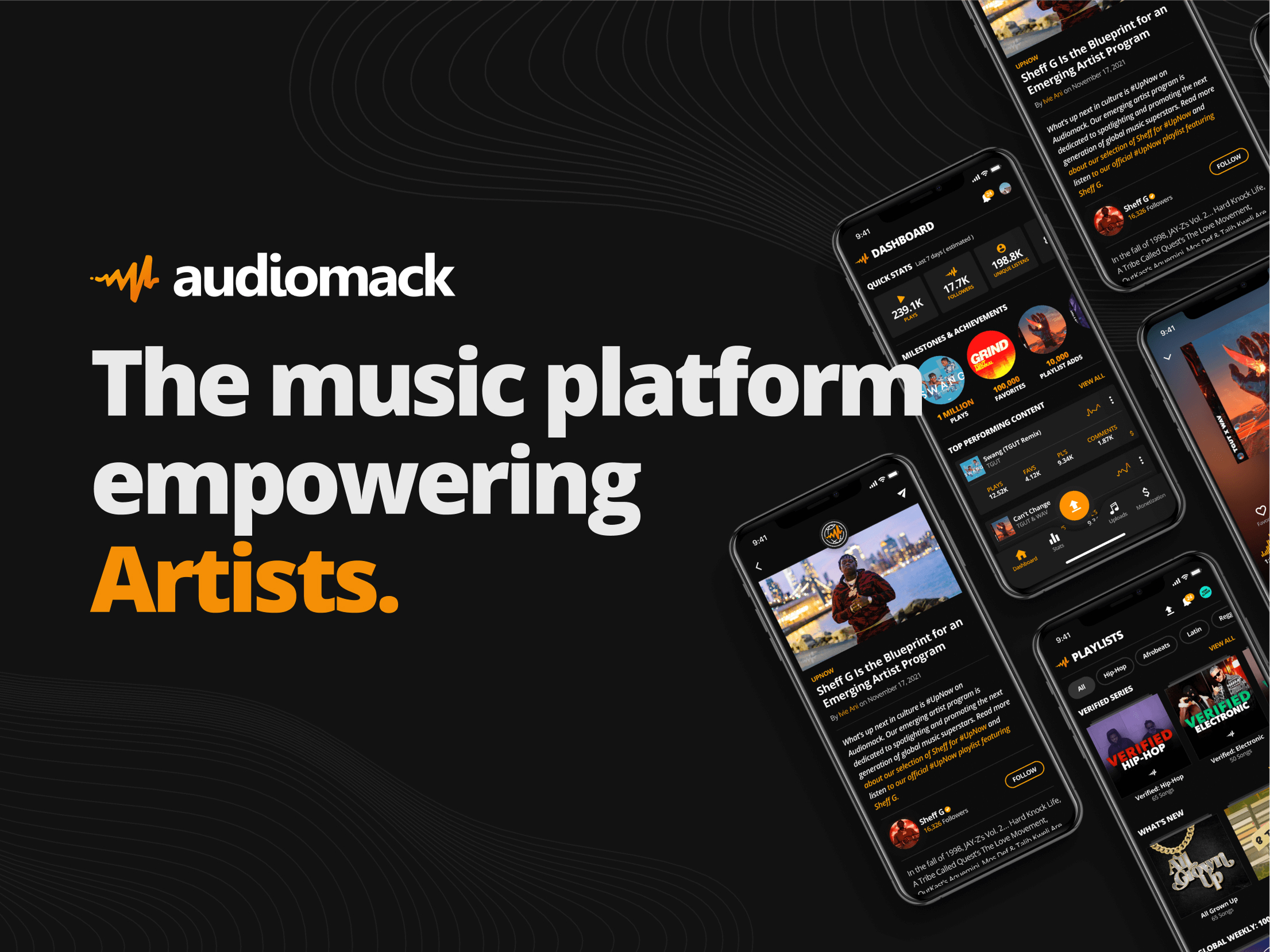
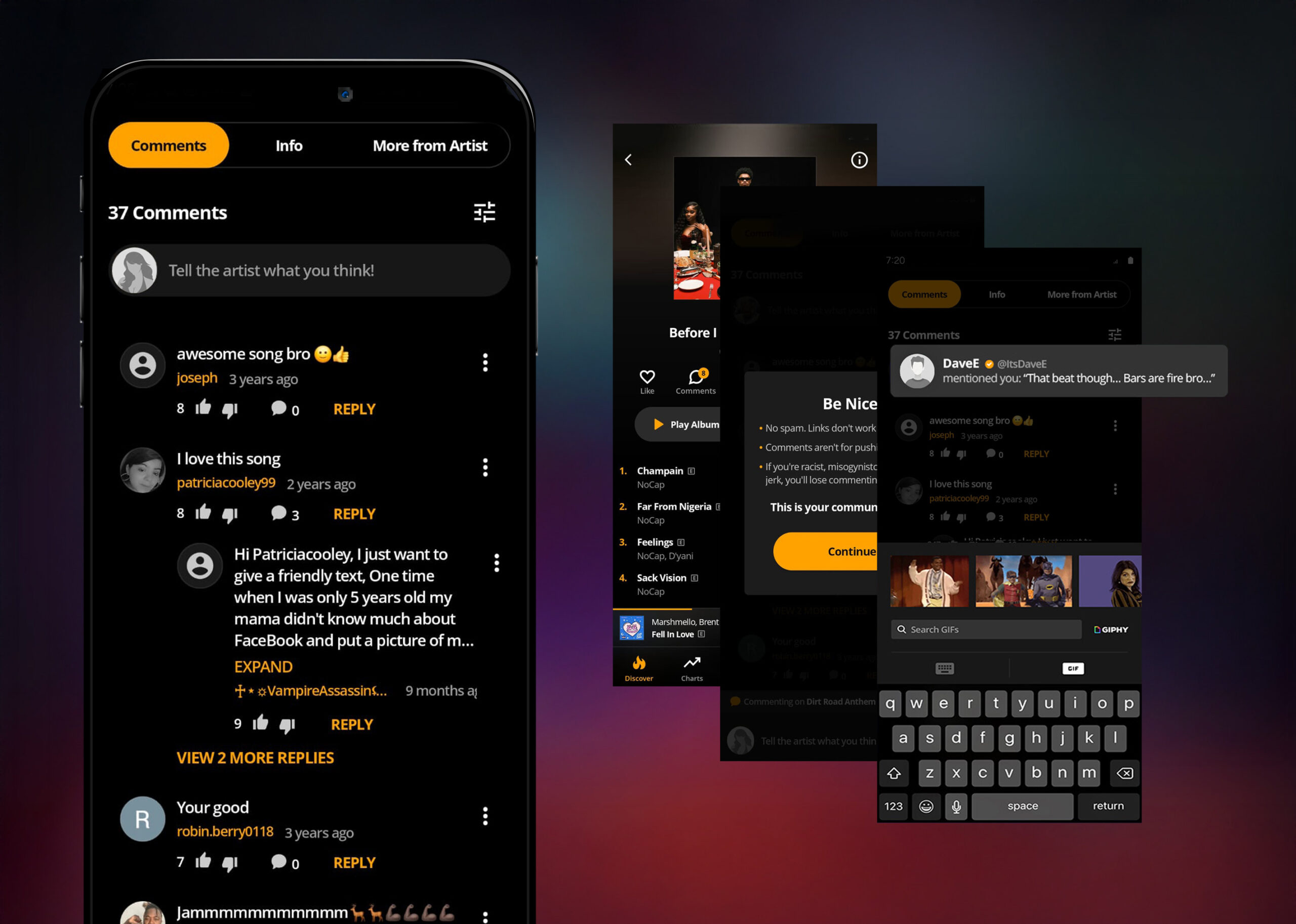
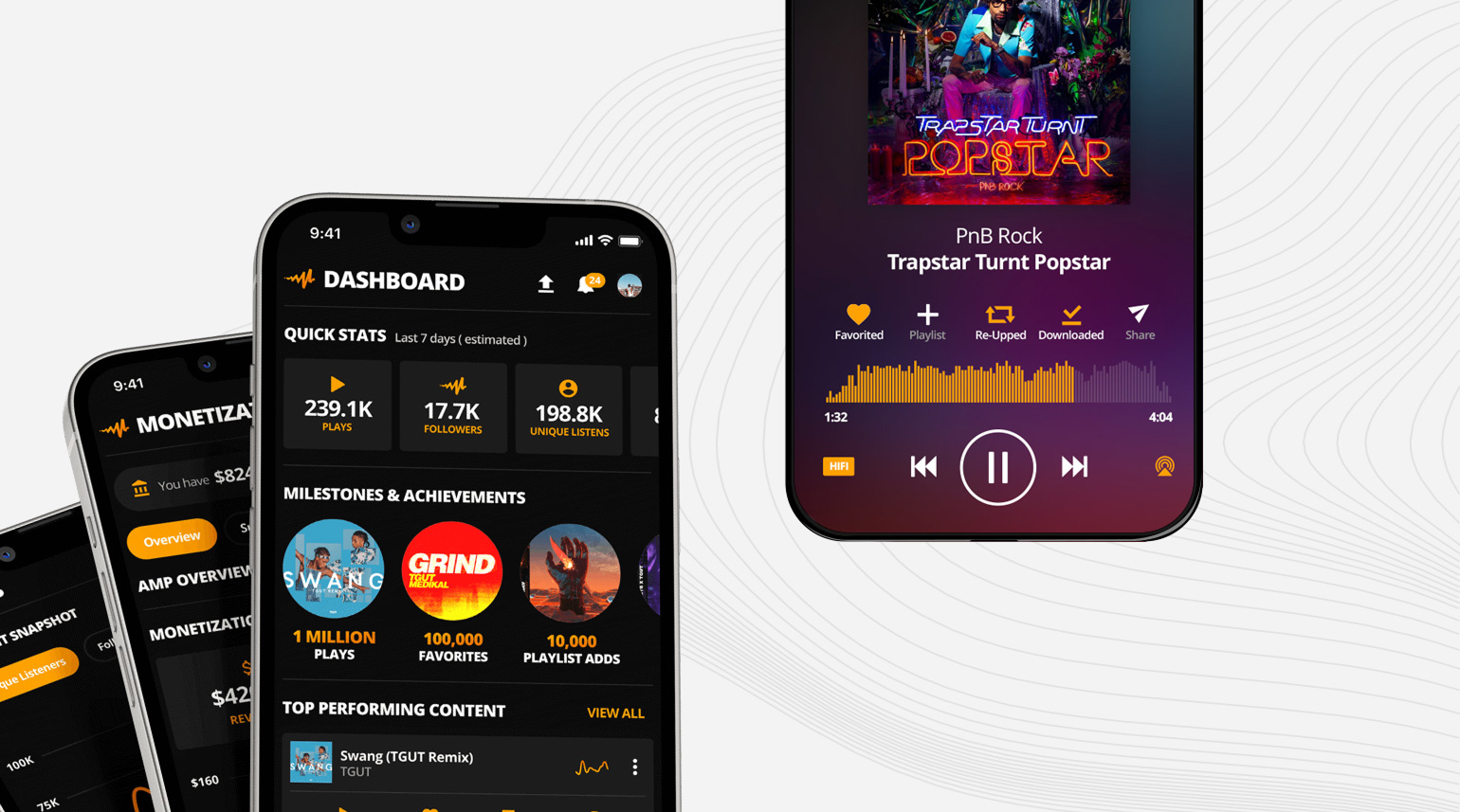
Artist analytics and engagement touchpoints were integrated into the experience without overwhelming listeners, maintaining a balance between creator tools and consumer usability. Artist analytics and visibility tools were integrated directly into the listening ecosystem, grounding creator insights in actual audience behavior rather than surface metrics.
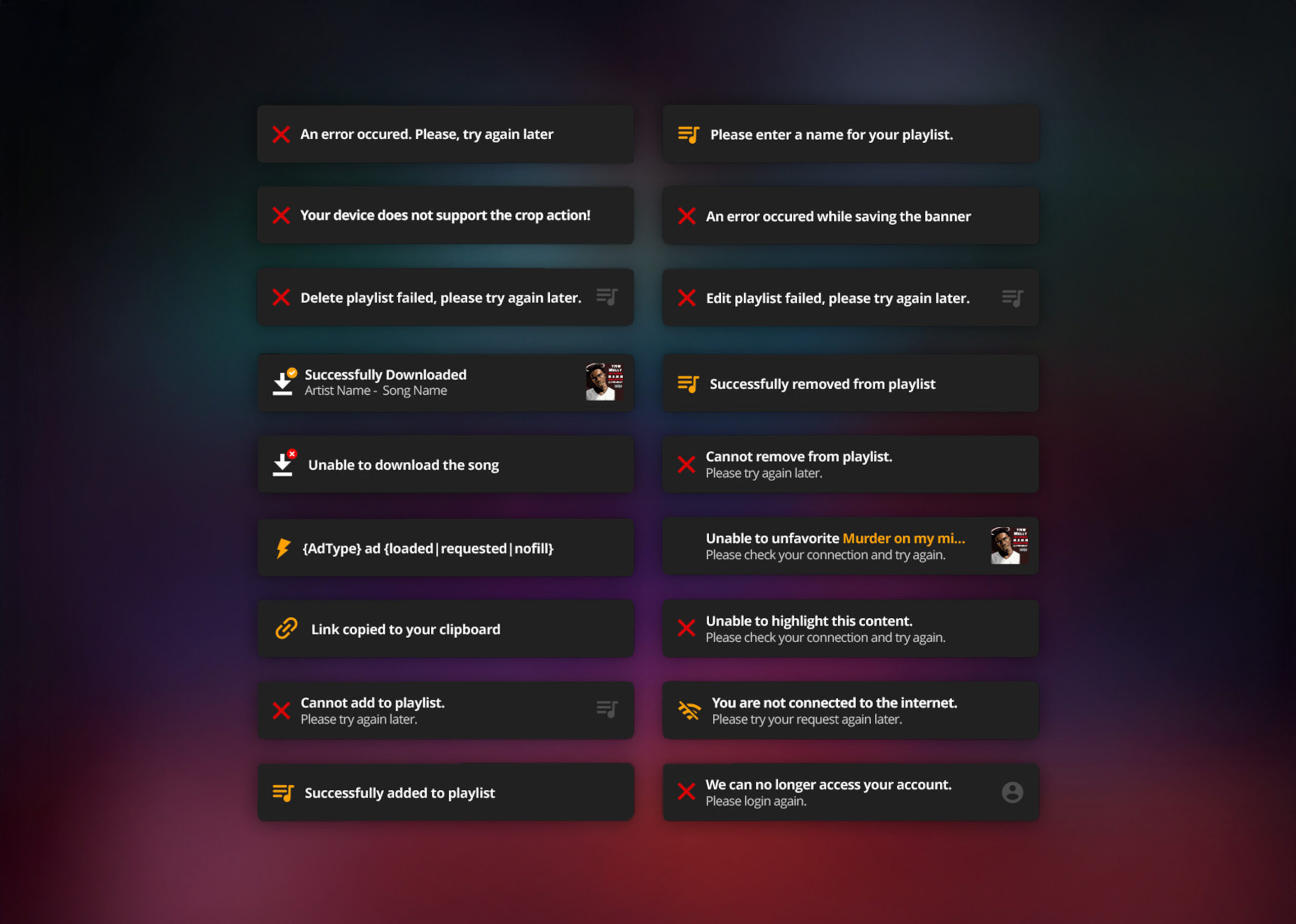
Loading states, transitions, and feedback were refined to reinforce responsiveness across devices.
The work required close collaboration across product, engineering, and data teams. Design decisions were documented clearly to support distributed development and ongoing iteration.
Leadership focused on alignment rather than control, ensuring the system could continue to evolve without reintroducing fragmentation.
[What we did]
As Audiomack continued scaling beyond its 2015–2017 growth phase, the redesigned experience supported more reliable listening, clearer discovery paths, and stronger artist engagement across global markets. Users spent more time listening and less time managing the interface. Artists gained better visibility without compromising accessibility.
Audiomack strengthened its position as a platform built for global audiences, not just global reach.
[Results]
Audiomack’s redesign focused on ensuring access remained dependable as the platform expanded globally. By prioritizing performance, clarity, and system cohesion, the product evolved without losing sight of its mission to serve both artists and listeners. The result is an experience built to scale without leaving users behind.
Rapid platform growth exposes structural weaknesses long before users articulate them. This case study looks at how product systems were reshaped during a critical growth phase to support global scale, offline access, and a consistent experience across markets.
Work shown is presented for portfolio purposes; rights and trademarks belong to their respective owners, and some deliverables were created in collaboration with other parties or agencies. Please see site Terms of Use Policy for additional information.